


Cambridge Literary Festival can be a spring visit, a winter weekend or a particular conversation in the city. Begin by choosing the edition and the event rather than booking a room against the festival name alone. The organiser’s current winter programme runs on 21–22 November 2026. The event cards below are from spring 2026; those conversations are available through CLF Player. Use the official programme for the event you want and put its venue beside the time before arranging the rest of the day.
Quick answers
Venues across Cambridge; check each event's venue.
- Next published festival: Winter Festival, 21–22 November 2026.
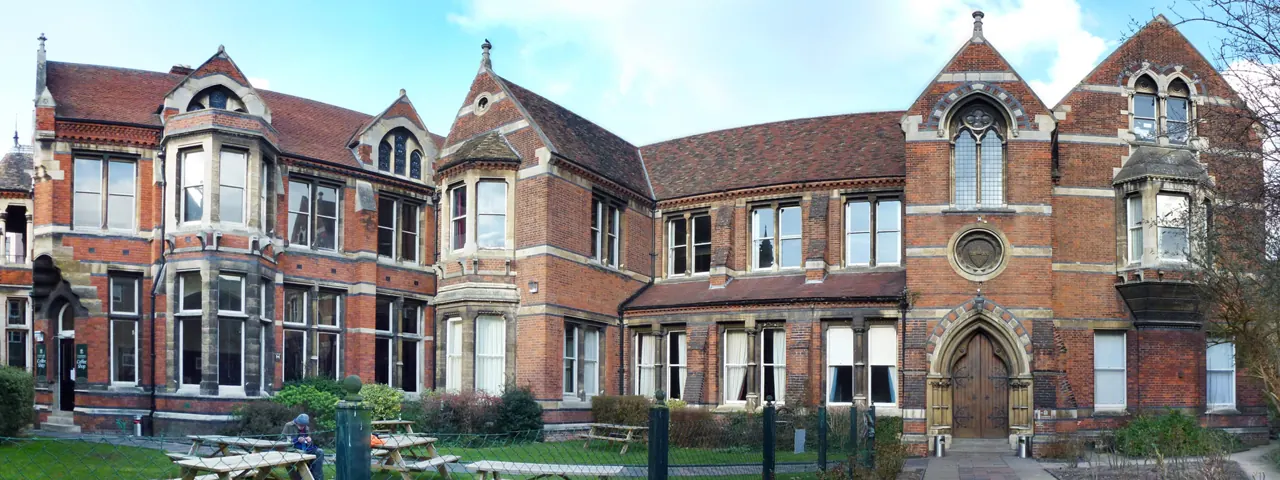
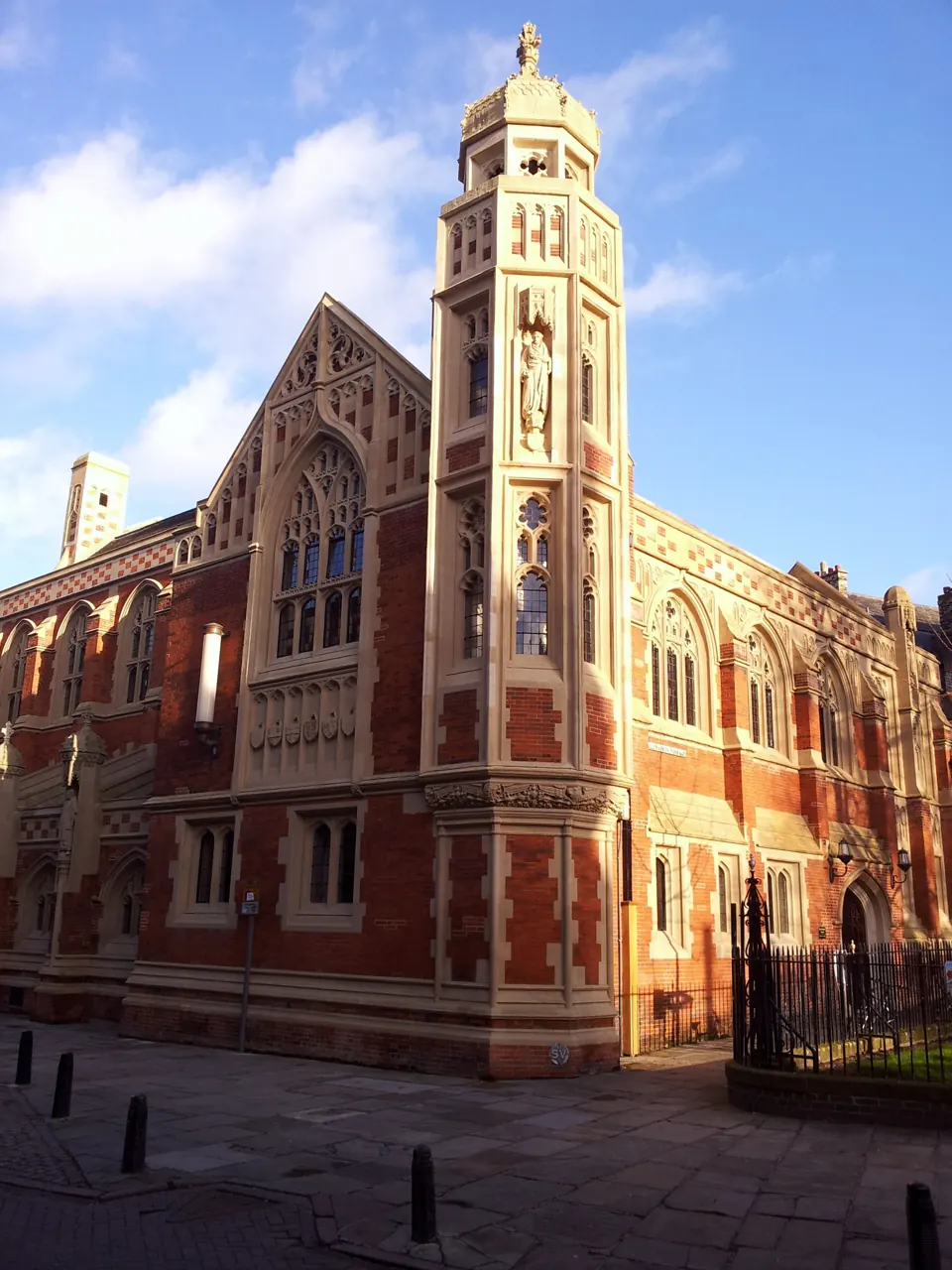
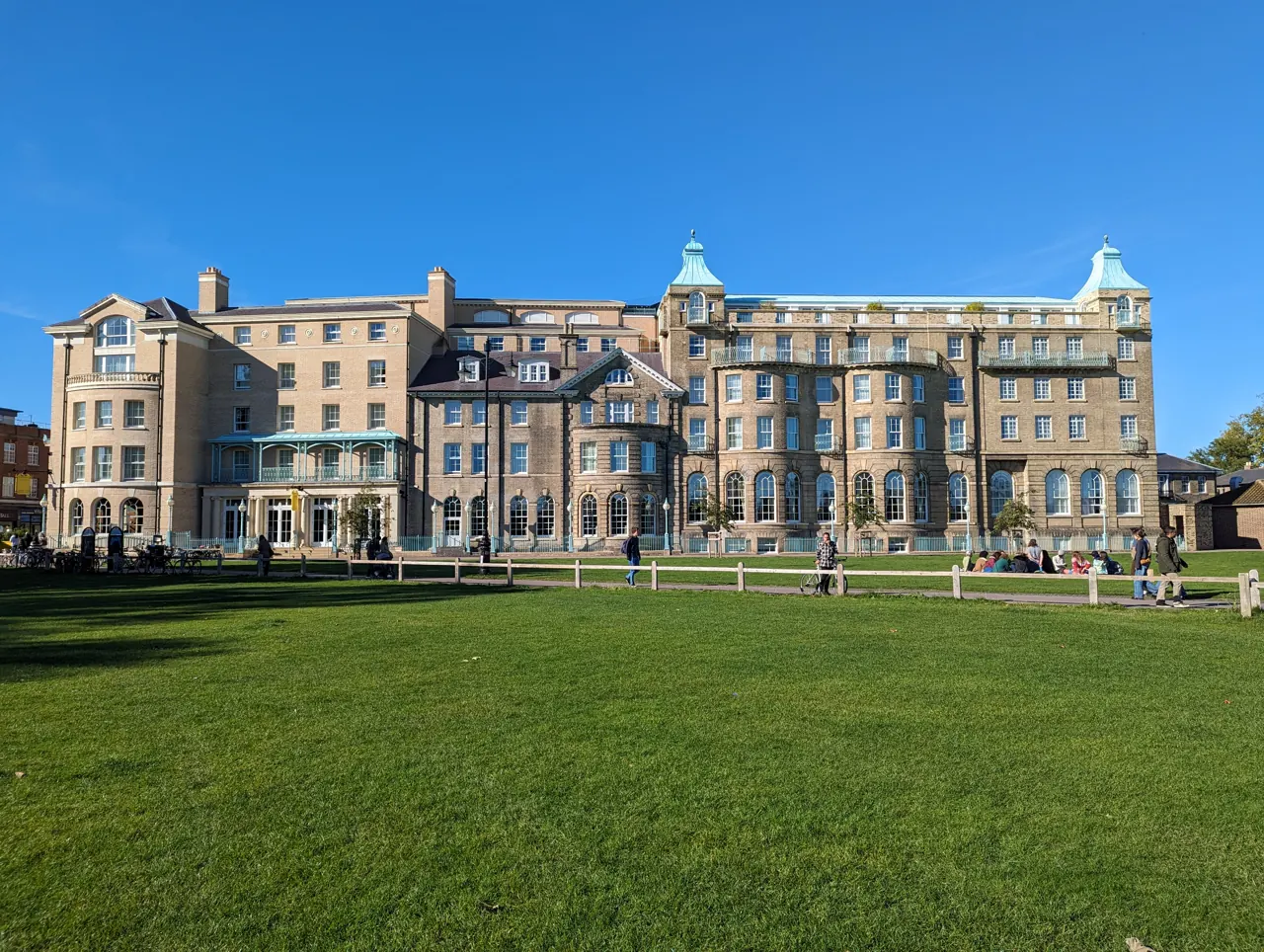
- Setting: Cambridge venues, with the festival’s visitor page identifying the Cambridge Union, Old Divinity School, Palmerston Room, University Arms and Arts Theatre Cambridge.
- Tickets: buy through Cambridge Literary Festival. Check the individual event and the current booking conditions.
- Rail arrival: Cambridge station, followed by your route to the event building. The organiser links Greater Anglia and local bus information.
- First visit: choose one essential session, leave a gap around it and plan the return before adding an evening booking.
- Stay: compare the Bridge Street and St John’s Street side of the centre, Regent Street and Parker’s Piece, or the station area against your actual programme.
What’s on
The next festival
Cambridge’s Winter Festival takes place on 21–22 November 2026. The official programme covers different subjects and venues, so choose the particular conversation you want before arranging a sequence. The programme includes fiction, history, memoir, politics and other ideas. Its individual descriptions and ticket details decide what is included. A broad subject filter can help you find a starting point, but the event page is the place to check the speaker, room and time.
Browse the official Winter Festival programme. Keep that winter visit separate from the spring programme and from one-off events. A session listed elsewhere on the website may have a different date or booking condition. Save the actual event confirmation, not just the festival homepage, before travelling. If your chosen event changes, reconsider any connection or second session that relied on its original location.
What it was like in spring 2026
The spring programme included Andrew Miller discussing The Land in Winter, Mary Berry in conversation with Martha Kearney about My Gardening Life, and Cressida Cowell introducing Which Way to the Future. The event cards below give the earlier dates and rooms. Use them as introductions to the writers and their subjects; the next programme should decide a new booking. Links to those pages are event details from 2026, not offers of admission to a session that has already finished.
Published 2026 programme
Andrew Miller | The Land in Winter
· Palmerston Room
Andrew Miller discussed The Land in Winter with Alex Clark, exploring the novel’s marriages and village life during a severe winter.

Mary Berry with Martha Kearney | My Gardening Life
· Cambridge Union, TTP Stage
Mary Berry spoke with Martha Kearney about My Gardening Life, considering plants, changing seasons and the personal experiences behind her gardening memoir.
2026 event detailsAt 3 festivals in 2026

Cressida Cowell | Which Way to the Future
· TTP Stage (Cambridge Union)
Cressida Cowell introduced Which Way to the Future and shared writing and drawing ideas in a spring session aimed at children aged seven to twelve.
2026 event detailsAt 3 festivals in 2026
Mariana Mazzucato | The Common Good Economy
· TTP Stage (Cambridge Union)
Mariana Mazzucato will discuss an economy centred on public wellbeing with Gillian Tett.
Jacqueline Rose | Two Women
· Old Divinity School
Jacqueline Rose will explore love, faith and loss through the lives behind Two Women.
Natasha Walter | Feminism for a World on Fire
· TTP Stage (Cambridge Union)
Natasha Walter will discuss connections between feminism, climate and equality campaigns.
Sathnam Sanghera | The Meaning of George Michael
· Old Divinity School
Sathnam Sanghera will discuss George Michael’s music, politics and experience of fame.
Sarah Clegg | The True History of Faeries
· Cambridge Union Library
Sarah Clegg will explore stories and beliefs surrounding fairies.

Elif Shafak | In One Brief Moment All Eternity
· TTP Stage (Cambridge Union)
Elif Shafak will discuss her novel about Flaubert and the women in his life.
Official event detailsAt 4 festivals in 2026
Jonathan Bate | The Garden: Our 4,000-Year Quest for Paradise
· Old Divinity School
Jonathan Bate will explore gardens through literature, art and cultural history.
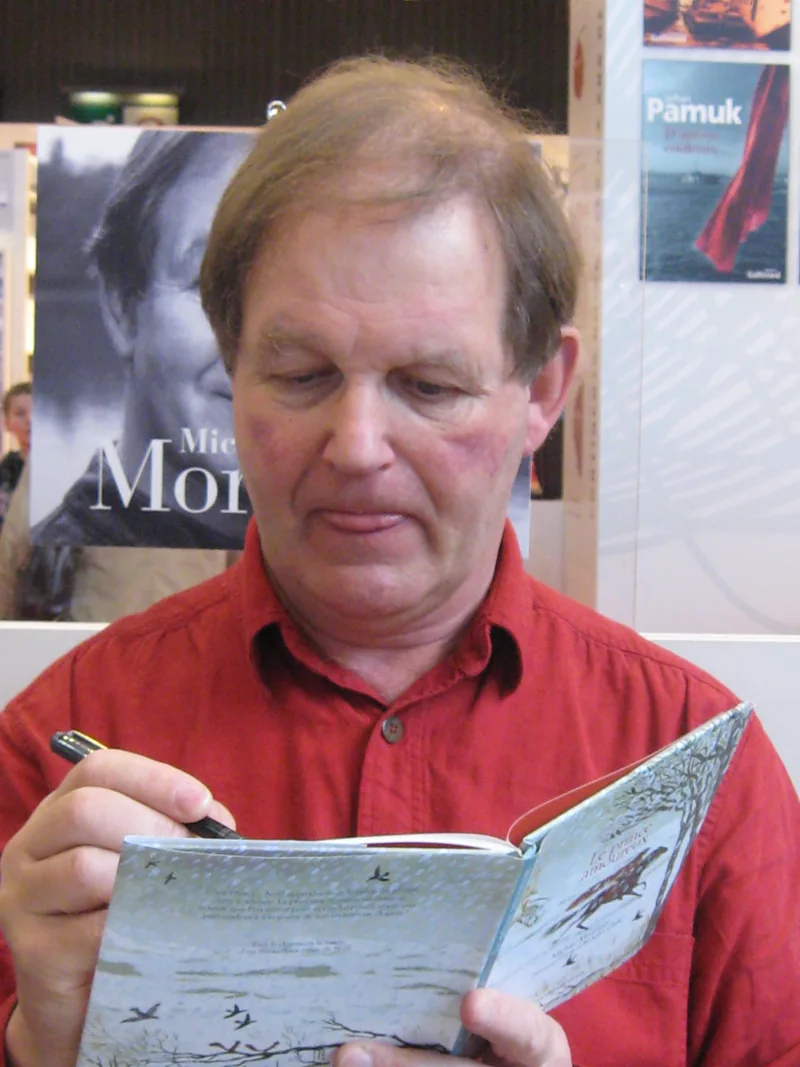
Michael Morpurgo & Frank Cottrell-Boyce | Lives Beyond the Page
· TTP Stage (Cambridge Union)
Michael Morpurgo and Frank Cottrell-Boyce will discuss reading, childhood and their work beyond books.
Official event detailsAt 4 festivals in 2026


Authors and subjects to explore
A festival conversation can be a way into a writer you have not read before. Start with the book named in the official event description, then decide how much reading you would like to do beforehand. An interview, a reading and a family presentation make different kinds of visit. If your companions prefer another subject, choose separate sessions and agree where you will meet afterwards. A shared festival trip need not mean everyone buys exactly the same programme.
About the festival
The Cambridge setting makes the event building part of the trip planning. The organiser’s visitor page brings its venues, access and transport information together. Use that page to join the programme with your route, especially when considering two sessions in different rooms. The festival’s website also separates the main winter programme, children’s events, one-off conversations and its online player. Choose the right part of the site for the visit you intend to make.
For a first visit, keep the programme modest. One session that matters to you, a proper meal break and time to browse can be a complete day. Leave a little room for discovering another subject when you see the programme, but do not make every gap another booking opportunity. If the day includes a separate city outing, give that outing its own timetable and conditions. A festival ticket does not reserve admission elsewhere, and a separate booking should not leave you hurrying back to an unfamiliar entrance.
When it runs
The winter dates currently published by the organiser are 21–22 November 2026. Cambridge also has a spring festival: its official player describes the Spring Festival 2026 as the April festival, and the past event pages below give individual April dates. Check the official website for the next spring announcement before buying travel. Do not use an earlier edition’s dates to calculate the next one or carry a past on-sale schedule into a new year.
Choose the edition first when comparing rooms. A reservation for a winter conversation and a plan to return in spring are separate visits, even if you like the same venue. Keep the accommodation cancellation deadline with the event and travel confirmations. If reserving before every part of the programme is settled, choose conditions you understand and make a note to review the route once you know the actual rooms. That review is about your whole day, not merely whether the festival date still fits your diary.
Venues and finding the right entrance
The organiser identifies The Cambridge Union, 9a Bridge Street, CB2 1UB, and Old Divinity School, St John’s Street, CB2 1TP. Its visitor information places the box office and Friends Desk at the Old Divinity School. The same page gives the Palmerston Room’s approach through St John’s, University Arms on Regent Street, and Arts Theatre Cambridge at 6 St Edward’s Passage. These are separate destinations, so use the room named on your ticket when planning a transfer.
Save the complete venue name and address offline. If a taxi or a companion is helping with the final journey, share the entrance the festival gives you rather than a broad college or street name. For an access booking, confirm whether the approach differs from the route you would first find on a general map. A building’s address does not tell you every detail about its entrance, a queue or the seat you have arranged. Ask the team about the practical route you need and retain the answer with the ticket.
Before booking consecutive events, put both locations into your plan. Allow for leaving the first room, collecting belongings and reaching the second entrance. The organiser publishes indicative walking information, but your own pace, access needs and the weather should decide the gap you leave. A short distance on a map can still make an uncomfortable transfer if the first event overruns or you want to speak to someone afterwards. It is reasonable to leave an interval free and enjoy the conversation you have just heard.
Tickets and the official box office
Book through Cambridge Literary Festival. The organiser’s important information describes account tickets, booking conditions, priority booking and concessions. Read the current version before paying. Check whether your selected ticket includes a book or offers it as an additional purchase; an event description naming a book does not automatically mean the book is included in admission.
Find the confirmation before travelling and make sure you can open it without depending on a signal at the door. The festival explains how to find tickets in an online account and permits showing a ticket on a mobile device or printing it. Check the booking reference, event date and room while you still have time to contact the team if something is wrong. For a group purchase, agree who will carry the tickets and how you will meet if you arrive separately.
If the event you want is sold out or your plans change, use the organiser’s current help and ticket conditions. Do not assume that another festival’s exchange rule applies here, or that a membership gives admission to every session. Keep the conditions that belonged to your purchase. A room, railway fare and event ticket may each have different change deadlines. Look at those deadlines together before deciding whether a new session or a different overnight stay makes sense.
Getting there
By train
The festival’s visitor information describes Cambridge station as the rail arrival for its city venues and links to Greater Anglia for railway information. It also identifies bus and taxi options for the onward journey. Use an operator’s current planner for your date, including any changes, assistance and engineering work. Choose the actual station and service on the booking rather than relying on a general search result for Cambridge.
The onward leg should suit your first event, your luggage and your own pace. If walking is not the right choice for you, check the bus stop or taxi arrangements before setting out. Give the return equal attention: include leaving the event, collecting bags if necessary and reaching the platform. A cheaper fare tied to one train may not fit a late conversation comfortably. Resolve that question before buying the event ticket rather than trying to shorten the evening once you are there.
By bus, park and ride or car
The organiser points visitors to Stagecoach and Cambridge’s park-and-ride information. Check the service for the actual date, especially the last return you would be willing to take after an evening event. A daytime arrival route is not confirmation of the same connection later. If your accommodation is outside the centre, enter its exact address and the event venue when comparing the complete daily journey.
For driving, check the current parking operator’s opening, maximum stay, payment and collection conditions. Do not assume that a hotel room includes parking or that an evening session fits a car park’s closing time. If a particular space or drop-off is essential, ask directly before depending on it. Plan a margin for finding the entrance and make sure a change in the day’s programme would not leave the car somewhere you cannot collect it.
Where to stay
The festival’s accommodation page identifies University Arms, Gonville Hotel, Clayton Hotel Cambridge and other places to investigate. It also links to college accommodation for vacation periods. That is a starting list to compare, not a promise that a room will be available for your chosen dates. Check the actual property, rate and room features, and use the matching stay page for a fuller comparison of the areas.
A room near the St John’s Street and Bridge Street venues may fit a programme concentrated there. Regent Street and Parker’s Piece give another set of addresses to compare, including properties named by the festival. The station area can be attractive when luggage, an early departure or a late arrival matters most. Decide which part of the visit should be easiest, then check the remaining journeys. A base that helps one event may fit another less well.
Think about the final evening before choosing a wider room option. Add any bus, taxi, parking and meals you expect to need to the room price. Ask about late entry, breakfast, luggage storage and check-out if those shape the day. A search describing a room as accessible or suitable for a family does not settle every detail. Request the entrance, floor, bathroom or bed layout you actually need and keep the property’s response with the reservation.
St John’s Street and Bridge Street
Regent Street and Parker’s Piece
Cambridge station area
Compare all stay areas for Cambridge Literary Festival
Food and useful breaks
Give food a place in the timetable before adding a second event. The festival’s accommodation information includes dining at University Arms, while individual venues and the city offer their own separate choices. Check opening and reservation details directly for the day you will visit. A table booking is another commitment to fit around the event’s finish, so allow for leaving the room and reaching the restaurant without making the whole interval hurried.
If a dietary requirement or a particular facility is essential, ask the venue or food provider before arriving. Read the event’s current bag and refreshment instructions instead of assuming every room has the same policy. Carry what you need for the route without making your bag unnecessarily heavy. Leave room for books if you expect to buy some, and consider whether returning to your accommodation during a long gap would help you enjoy the evening more comfortably.
Accessibility
The festival’s visitor page describes wheelchair access, hearing loops and accessible toilets at its venues, with advance contact for reserved seating and assistance. It also explains its free carer-ticket route for registered disabled audience members and welcomes guide, helping and hearing dogs. Contact the festival about the exact event and room you want before completing the booking. Explain what would make the visit workable rather than relying on the general description alone.
For hearing support, ask about the equipment and seat position in your particular room. For mobility needs, include the approach from the street and any transfer between venues. Festival support is separate from railway assistance and hotel provision, so ask those providers directly about their part of the trip. Keep the replies together. If a venue changes after booking, confirm the new entrance and facilities before assuming the earlier answer still applies.
Plan your days
For a one-day visit, choose the event you most want, then work out a realistic arrival and final journey home. Put a meal and a pause into the day before considering another conversation. If your group separates, agree where to meet afterwards and leave the details with more than one person. A shared visit can include different interests without everyone moving between the same rooms at the same time.
For a winter weekend, compare Saturday and Sunday together before reserving accommodation. You might keep the arrival day lighter and put the longer sequence on the day when you have no luggage to collect. Check how breakfast and check-out fit the first Sunday session. Do not make the final train depend on every earlier activity finishing perfectly. A programme with fewer transfers gives you more room to enjoy the ideas and the people you came to hear.
First-timer tips
Start with the individual event description, save the exact venue and keep a copy of the ticket offline. Read the access and booking pages before paying where you need a specific arrangement. Recheck the journey close to departure. Give yourself permission to leave an interval empty: it can be the part of the day that lets you stay interested and comfortable for the final conversation.
FAQs
Do spring and winter use one ticket?
Choose the particular edition and event through the official programme. Do not assume that a ticket for one conversation includes another event or a different festival period. The booking page and your confirmation should tell you what you have purchased.
Do children need an accompanying adult?
The organiser’s important information says children under 14 must be accompanied by an adult and that adults need their own ticket. Read the individual children’s event for its age guidance and admission instructions before choosing it for your family.
Can I watch earlier events online?
CLF Player is the organiser’s route to selected earlier festival conversations. Check its current access and subscription conditions separately from an in-person ticket. The spring highlights on that service are earlier events, not next-edition announcements.
Can you go to Cambridge Literary Festival without a ticket?
Tickets are needed for events; check the official box office for the session you want.
How far ahead should I book a room for Cambridge Literary Festival?
Compare different nights or a shorter stay before choosing an address that makes the programme difficult. A wider base adds transport costs and can limit the evening sessions you can attend. Include those transfers in the total before comparing rates. Read the room’s cancellation deadline and keep it beside your event choices, especially if you are booking accommodation before settling the whole programme. Compare the stay advice.
Official sources
Use the festival’s programme, visitor, accommodation and important-information pages linked above for the current arrangements. Confirm any essential ticket, room or transport feature directly with its provider before making a booking that depends on it.
Venue map
Festival venue map
- Old Divinity School: St John’s Street, Cambridge CB2 1TP
- Cambridge Union: 9a Bridge Street, Cambridge CB2 1UB
- University Arms: Regent Street, Cambridge CB2 1AD
Map data © OpenStreetMap contributors. Building locations; check the event entrance separately.