
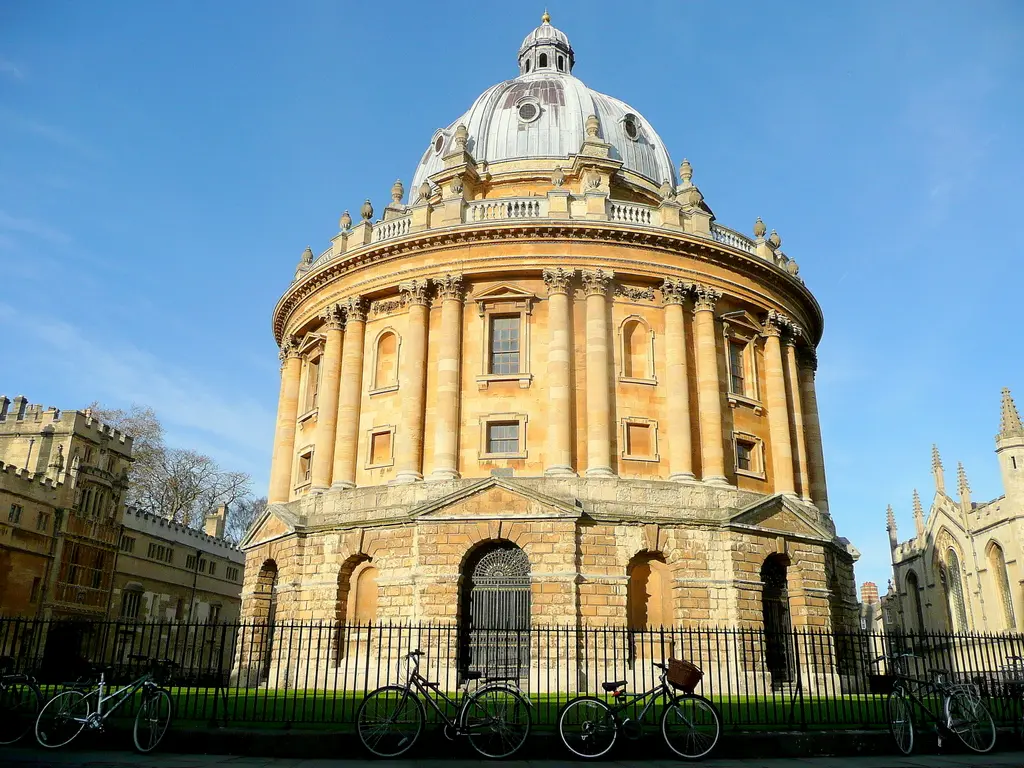
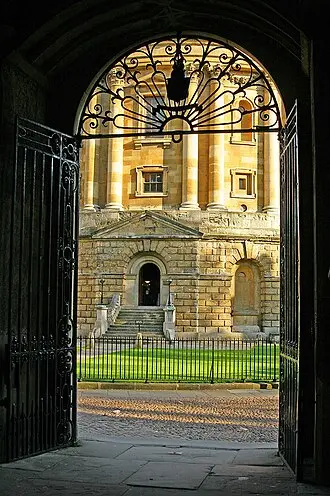



A book-filled visit to Oxford
Oxford Literary Festival runs from 13 to 21 March 2027. The programme moves between university and city venues, so checking the building attached to each ticket is an essential part of organising your day.
This independent guide focuses on travel, venues, accommodation choices and time between events. The organiser’s official website remains the reference for the current programme, speaker appearances and booking details. A previous event listing can suggest the range of subjects without promising that an event or venue will be repeated next year.
Quick answers
Venues across Oxford; check each event's venue.
- When: usually March; next festival: 13–21 March 2027.
- Where: central Oxford, with venues including the Sheldonian Theatre, Bodleian spaces and university colleges on the organiser’s current information page.
- Tickets: follow the official festival event pages and ticket instructions.
- Station: Oxford’s central station for the organiser’s city-centre walking directions. Check the destination carefully when booking rail travel.
- Book ahead: the organiser recommends buying in advance because events can sell out.
- What's on: see this year's highlights and the next festival's dates in What's on below.
Watch the official site for the programme announcement
What’s on
What it was like in 2026
These events took place in 2026. Explore the conversations, books and ideas that shaped the festival.
Children and families
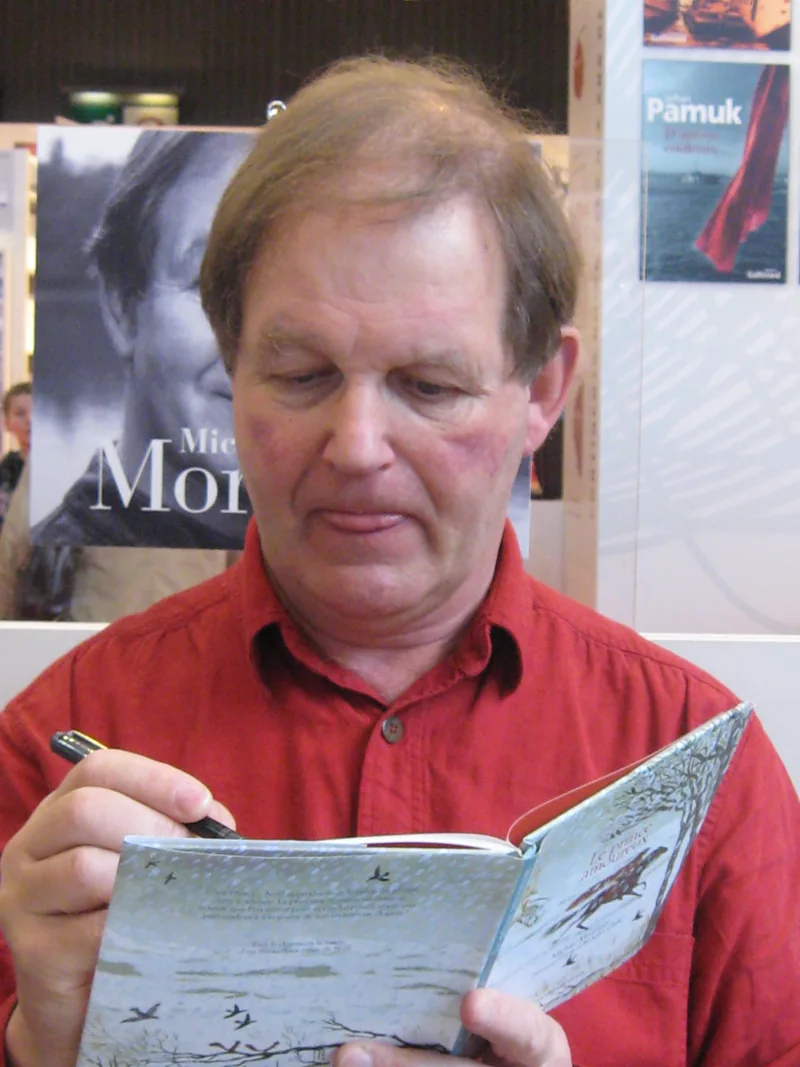
Black Beauty: A Retelling
· Sheldonian Theatre
Michael Morpurgo discussed his retelling of Black Beauty, exploring compassion, cruelty and the horse’s relationships with the people he met.
2026 event detailsAt 4 festivals in 2026

Dexter Procter The 10-Year-Old Doctor
· Mathematical Institute: Lecture Theatre 1
Adam Kay and Henry Paker introduced Dexter Procter, the world’s youngest doctor, through a comic journey involving school, work and belonging.
2026 event detailsAt 2 festivals in 2026

The Bodley Lecture and Award of the Bodley Medal: Working Together on Children’s Classics
· Sheldonian Theatre
Julia Donaldson and Axel Scheffler discussed their longstanding collaboration on children’s classics with Richard Ovenden and received the Bodley Medal.
2026 event detailsAt 3 festivals in 2026
The Majorly Awkward BFF Dramas of Lottie Brooks
· Sheldonian Theatre
Katie Kirby explored Lottie Brooks’s awkward world of first experiences, friendship mishaps and embarrassing moments in an event for young readers.
2026 event detailsAt 4 festivals in 2026

The Big Journey
· Sheldonian Theatre
Michael Rosen discussed The Big Journey, following two bears seeking a new home through an adventure of courage, hope and resilience.
2026 event detailsAt 3 festivals in 2026


Fiction and imagined lives
Love Lane
· Mathematical Institute: Lecture Theatre 3
Patrick Gale explored home and family in Love Lane, returning to Harry Cane’s story after A Place Called Winter.
2026 event detailsAt 5 festivals in 2026
Howl
· Department for Continuing Education: Lecture Theatre
Howard Jacobson discussed Howl, his psychological portrait of a primary school head teacher who felt the world crumbling around him.
Son of Nobody
· Sheldonian Theatre
Yann Martel launched Son of Nobody, connecting a Trojan War foot soldier’s life with a scholar’s struggles in modern Oxford.
2026 event detailsAt 2 festivals in 2026
Called by the Hills: A Home in the Himalaya
· Pusey House: Ursell Room
Anuradha Roy discussed Called by the Hills, her memoir of creating a home and garden on the edge of the Himalaya.
History and lives revisited
Story of a Murder: The Wives, the Mistress, and Dr Crippen
· Pusey House: Chapel
Hallie Rubenhold discussed Story of a Murder, examining the 1910 killing of American music hall performer Belle Elmore in London.
2026 event detailsAt 3 festivals in 2026

Rasputin and the Downfall of the Romanovs
· Sheldonian Theatre
Antony Beevor explored Rasputin and the fall of the Romanovs, asking whether the mystic was a visionary, fraud or historical victim.
2026 event detailsAt 5 festivals in 2026
Lion Hearts and The Pretender
· Sheldonian Theatre
Dan Jones and Jo Harkin discussed their historical novels, taking readers into the imagined worlds of the fourteenth and fifteenth centuries.
The Traitors Circle: The Rebels Against the Nazis and the Spy Who Betrayed Them
· Mathematical Institute: Lecture Theatre 3
Jonathan Freedland discussed The Traitors Circle, telling the true story of rebels from Berlin high society who plotted against Hitler.
2026 event detailsAt 3 festivals in 2026

Writing, reading and translation

If this be Magic: The Unlikely Art of Shakespeare in Translation
· Department for Continuing Education: Lecture Theatre
Daniel Hahn explored how translators carried Shakespeare’s magic across languages, opening the plays to readers and audiences around the world.
2026 event detailsAt 7 festivals in 2026
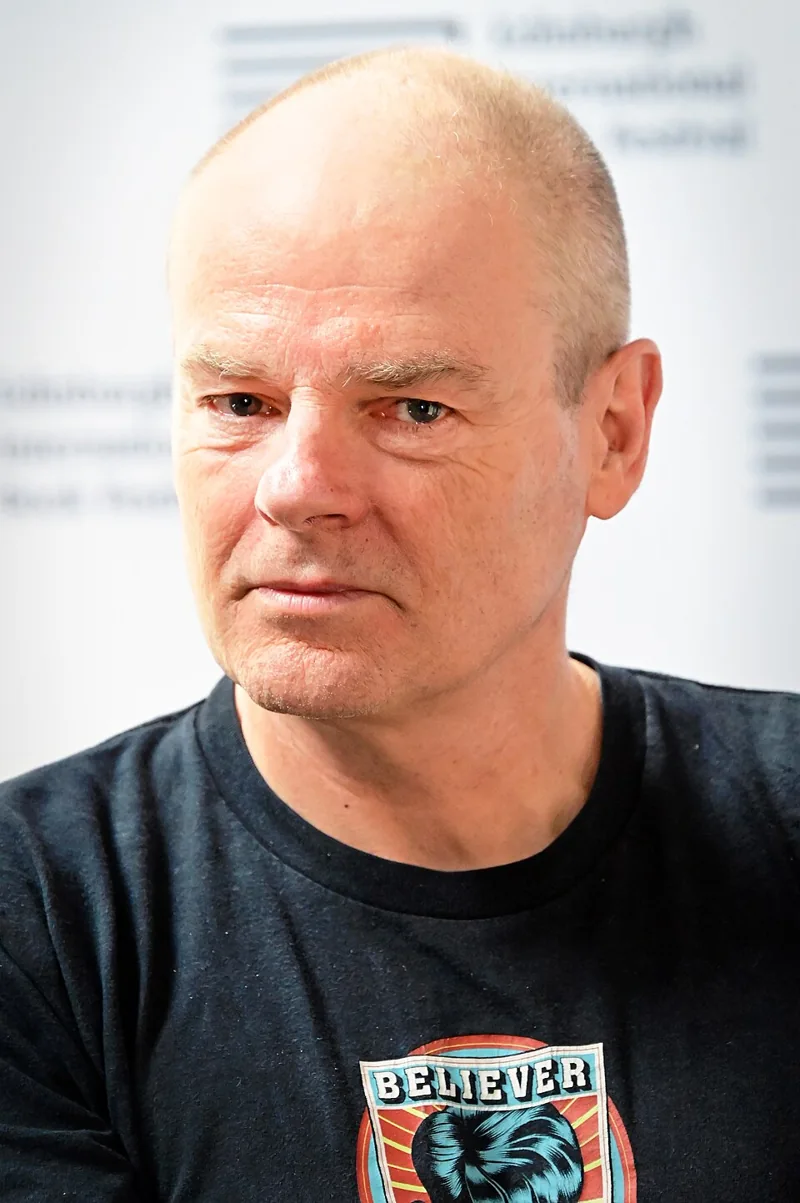
Leaving Home: A Memoir in Full Colour
· Pusey House: Ursell Room
Mark Haddon discussed Leaving Home, a memoir that revisited family life in the 1970s with a sharply comic eye.
2026 event detailsAt 2 festivals in 2026
Tradecraft: Writers on John le Carré
· Weston Lecture Theatre
Federico Varese and Nick Harkaway introduced a collection of essays offering insights into John le Carré’s working methods.


Health and popular culture
Ferment and World-Leading Research on Health and Diet
· Sheldonian Theatre
Tim Spector discussed Ferment alongside his work on diet, health, Covid-19 and the citizen science project he led.
2026 event detailsAt 3 festivals in 2026
A Hard Day's Night
· Mathematical Institute: Lecture Theatre 2
Samira Ahmed explored how A Hard Day’s Night changed the Beatles’ relationship with the screen and became an enduring film classic.
Explore the full official 2026 programme.
Authors who appeared
About the festival
Oxford Literary Festival’s programme categories span fiction, history, poetry, politics, science, religion and other subjects. The site also carries a children-and-young-people category. Start with what you want from the conversation rather than trying to cover the whole programme. A discussion about a subject you know little about can make a useful companion to a booking with a favourite writer.
Read the format before buying. A lecture, interview, debate or workshop creates a different kind of visit, even when the same subject appears in more than one listing. For a first day, choose one essential event and a second that broadens the experience. Leave time to browse books and talk with your companions instead of treating every free hour as another booking opportunity.
Oxford’s university buildings are part of the practical appeal, but a festival ticket should not be taken as unrestricted admission to a college or attraction. Follow the route and access instructions for your event. If you want a separate visitor experience, check that institution’s own information and any admission arrangements independently.
When to visit
The next dates stated by the organiser are 13–21 March 2027. March is the usual main-festival period. The website also advertises separate events at other times of year, so check which programme you are looking at before booking a room. A September event announcement does not change the dates of the main March festival.
Decide between a day visit and a stay before filling your calendar. A day can work well for two carefully spaced sessions, while a stay lets you attend an evening event without making a tight rail connection. If booking accommodation ahead of the programme, read the cancellation deadline and keep the confirmation somewhere you will notice it.
The next programme’s announcements should determine ticket-release planning. Make a list of essential and optional sessions, then check start times, venue addresses and any information about duration. Avoid selecting a sequence that leaves no room to move, eat or find a seat comfortably.
Venues and the festival hub
The organiser’s location and travel page currently names the Sheldonian Theatre, Bodleian Library, Weston Library, Oxford Martin School, Trinity College, St John’s College, Worcester College, Exeter College, Lincoln College, Pusey House and Oxford University Mathematical Institute among its venues. The final venue on the event page should decide where you go.
The organiser warns that venues can change after purchase. Check your booking against the live event listing again shortly before visiting, especially if you have made a route or access plan around one building. Do not assume a college’s main visitor entrance is necessarily the entrance used by your event. Read the admission instructions and allow time to ask staff for directions.
The festival hub information describes Blackwell Hall in the Weston Library, on Broad Street opposite the Sheldonian. Its listed arrangements include a bookshop and a place for coffee and a snack. Treat published opening hours and exhibitions as edition-specific; check the current library and festival information before using the hub as a fixed meeting point.
For orientation, the organiser gives a ten-minute walk from the central railway station to Worcester College and twenty minutes to the Sheldonian and other venues. Allow extra time to suit your own pace and route. Give yourself extra room for luggage, road crossings and finding a particular entrance.
Visitor map
Approximate building and site locations, not accessible routes or individual entrances.
Tickets and the official box office
Use the organiser’s ticket information and the booking link attached to the event. Its current page says tickets can be bought online up to the start of an event, subject to availability, and strongly recommends booking ahead. Do not turn that last-minute option into an expectation that a popular event will still have a seat.
The ticket page currently describes email confirmation for admission and no central festival box office for that edition, with on-door card sales where places remain. Check the live instructions before travelling rather than assuming a previous in-person desk still operates. Save the admission information offline, and make sure the person holding a group booking is arriving with the group.
Read the terms attached to your purchase for cancellation, exchange and other conditions. If a favourite event sells out, choose a second subject that interests you and use the official website to check any subsequent availability. Avoid an inflexible journey that depends entirely on a sold-out place reappearing.
For signings, follow the relevant listing and staff guidance. A session ticket does not automatically promise a signed copy, photograph or time with the speaker. If this matters to your visit, check before booking and leave space afterwards. It should not depend on using the margin you need to reach the next venue or the station.
Getting there
By train
Use the operator’s current planner for a journey to Oxford, checking the actual station and service rather than choosing a destination by name alone. The festival’s directions refer to the central railway station and its onward routes into town. Read station facilities and assistance information if you need support, and arrange railway assistance through the operator’s current booking process.
Check the last suitable return before buying a late event. Include leaving the venue, collecting luggage and reaching the platform. If an event changes venue, reconsider the connection rather than keeping the old assumption. Engineering work can affect your trip, so check current rail information again shortly before setting off.
By coach and local bus
The festival travel page links the Oxford Tube and notes National Express services. It identifies Gloucester Green as the coach station for its central walking directions. Check your own service’s actual stop and the final return timetable, since not every bus uses the same arrival point. A stop that suits one venue may require a different approach to another.
For a stay outside central Oxford, enter the actual address and event venue in the operator’s journey planner. Look at the return after your evening booking, not only the morning departure. Save the useful timetable information and leave a margin for a missed connection rather than building a day that depends on a single very tight transfer.
By car
Oxford’s official festival travel guidance advises that central street parking is limited and points to park-and-ride information. It also directs drivers to county council information about central driving charges. Read the current Oxfordshire County Council guidance for your route and vehicle rather than using a remembered rule or charge.
Choose a car park by its actual opening, payment and stay conditions. If using park and ride, compare the last return bus with your final event before committing. A hotel may have its own parking arrangements, but confirm them directly. Do not assume that a room reservation includes a central space or permission to leave a vehicle after checkout.
By bike
If cycling into Oxford, plan a route suited to your needs and check where the venue permits cycle parking. Keep entrances and accessible routes clear. Consider lighting and the load of books you may carry home, especially if attending an evening event. A short trip still needs a secure lock and a sensible return plan.
Where to stay
See all places to stay for Oxford Literary Festival
Central Oxford and the Broad Street area
Begin with central addresses if your main aim is moving between the hub and university venues without an additional daily transfer. Compare the actual property and your event locations rather than assuming every room described as central is equally convenient. Ask about stairs, lifts, noise and luggage storage, and book early with cancellation terms that suit your plans.
Jericho and the northern side of the centre
Jericho and addresses north of the centre are options to compare against the specific programme you choose. Look at the route after dark and the room’s facilities before deciding. If a particular entrance or step-free room matters, obtain clear confirmation from the accommodation rather than relying on an area label or a general claim about accessibility.
Station area and west Oxford
An address on the station side of the city may be worth investigating if arrival and departure logistics are your priority. Compare the journey to each event as well as the convenience of collecting luggage before a train. For a base farther west, add any onward transport to the room price and check the last connection after an evening session.
Compare the provider’s complete offer, including exact room type, payment, cancellation and arrival instructions, and retain written confirmation of any essential arrangement.
Food, coffee and a pause
The organiser’s hub page describes café facilities at the Weston Library. Check the current visitor information for opening arrangements and what is available during your visit. For meals elsewhere, choose somewhere that fits the venues on your tickets rather than a recommendation that sends you across the city in a short gap.
Leave a real meal interval between sessions. If reserving a table before an event, explain when you need to leave and allow for ordinary delays. Ask the provider directly about allergies and dietary requirements. A coffee break can also be time to browse your new book or compare notes before the next discussion, rather than another appointment to squeeze into the plan.
Accessibility
The organiser’s accessibility page links to detailed information for the university and college venues. It states that the main venues are accessible and many have hearing loops, but that does not confirm the precise entrance, seat or support arrangement for every visitor. Read the page for the room you will use and ask directly about your requirements.
The access information also explains that wheelchair capacity may need to take account of evacuation arrangements. Contact the organiser in advance if you need a wheelchair space or another specific arrangement rather than assuming ordinary ticket availability answers the access question. Check the route from station or parking to the entrance and the accessible toilet information as part of the same plan.
For an event moved after booking, confirm the new access arrangements before relying on the original answer. Keep replies with your tickets and tell the team which event and time you mean. A clear request about the practical support needed is more useful than trying to infer everything from a general building description.
Plan your days
One day in Oxford
Choose one event that matters most and another with a different subject or format. Check the venues before filling the interval, then leave time for food and a bookshop or library-hub pause where the current arrangements allow it. Avoid trying to add a college visit solely because you are already attending a festival event nearby. Any separate attraction needs its own visitor information and time.
A weekend
Put the denser festival day first and give the second a slower start or an open afternoon. You could browse, visit a separately chosen university attraction or leave time for a longer conversation about what you have heard. Consult the institution’s own visitor information before making it part of your plan. This is a suggested structure, not a promise about opening hours, event availability or admission.
First-timer tips
- Use the current Oxford Literary Festival name when searching and booking.
- Check the venue again before travelling because the organiser warns that locations can change.
- Save your email admission information offline.
- Leave margins between events in different buildings.
- Read the specific entrance and access guide for your venue.
- Confirm any signing arrangement for the actual session.
- Check the complete return journey before booking a late event.
- Treat the Weston hub’s hours and exhibitions as edition-specific.
Other festival trips
For another spring or early-summer reading break, compare Bath and Hay. For a broader programme later in the year, explore Cheltenham. These are separate festivals with their own organisers and terms. Check the current age guidance and programme if you are travelling with children, rather than assuming the format of an Oxford session is repeated elsewhere.
First-timer questions
Is there a café at the festival hub?
The organiser's festival-hub information describes café facilities at the Weston Library. Follow its current visitor information for service during your visit, and leave time to reach your next event venue. Visitor information.
Frequently asked questions
Is it still called the FT Weekend Oxford Literary Festival?
The current official website uses Oxford Literary Festival and identifies The Telegraph as its media partner. Look for Oxford Literary Festival when choosing your events. Use the official website and the individual event booking link to make sure you are looking at the present programme and correct tickets.
When is the next Oxford Literary Festival?
The next Oxford Literary Festival runs from 13 to 21 March 2027. March is the usual season. The website can also feature separate events at other times, so check the programme and year attached to your booking. A past event listing should not be taken as a promise of the next edition’s line-up.
Where do events take place?
The current venue information lists the Sheldonian Theatre, Bodleian and Weston libraries, Oxford Martin School and several university colleges, among other spaces. Read your event’s building and room details and check them again before travelling. The organiser warns that locations can change after purchase to meet event requirements or demand.
Can I buy tickets on the day?
The current ticket page allows online purchase up to the start of an event where places remain, but recommends booking well ahead because sessions can sell out. It describes on-door card sales under the published arrangements. Read the live instructions for your edition rather than relying on a previous central box-office location.
Which railway station should I plan around?
The organiser’s city-centre directions begin at Oxford’s central railway station. Check the station on your own rail booking and plan the full route to the venue, including the return after your last event. Use current operator information for timetables, engineering work and assistance rather than treating a typical walk as a guaranteed connection.
How do I arrange accessibility support?
Read the festival’s accessibility page and follow its links to the particular college or university venue. Contact the organiser before buying if you need a wheelchair space, specific seating or another arrangement. If the venue changes after purchase, check that the new location still meets your requirements instead of assuming the previous agreement transfers automatically.
Can you go to Oxford Literary Festival without a ticket?
Tickets are needed for events; check the official box office for the session you want.
How far ahead should I book a room for Oxford Literary Festival?
Ask about leaving luggage before check-in and collecting it after checkout, particularly if the stay is a single night between train journeys. A university-city visit may also include a separate attraction or bookshop browse; give that its own time instead of squeezing it between talks in different rooms. Check the accommodation entrance, room floor and bathroom where access features matter. Keep the next programme’s venue information with the reservation and review the choice before its cancellation deadline. A room near the subject of your visit is most valuable when its actual facilities and arrival conditions work for you as well. Compare the stay advice.
Official sources
- Oxford Literary Festival: dates and current name
- Official ticket information
- Location and travel
- Festival hub
- Accessibility
- Bodleian Libraries: festival information
- Oxfordshire County Council
Official source links
- oxfordliteraryfestival.org
- oxfordliteraryfestival.org
- oxfordliteraryfestival.org
- oxfordliteraryfestival.org
- oxfordliteraryfestival.org
- visit.bodleian.ox.ac.uk
- www.oxfordshire.gov.uk
- www.nationalrail.co.uk
- visit.bodleian.ox.ac.uk
Sources checked 21 October 2026. Check the organiser and operators again before booking.