
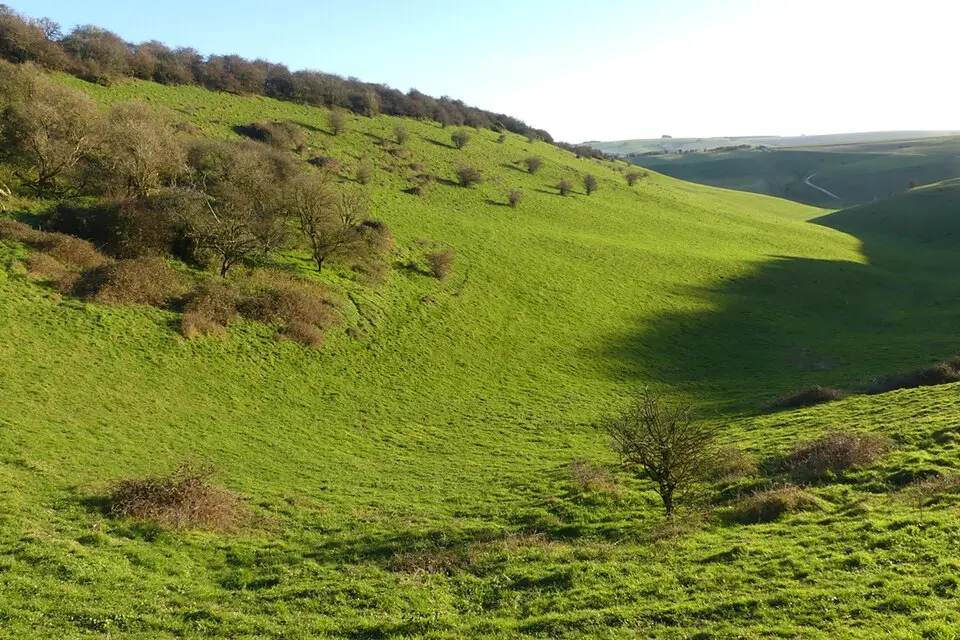
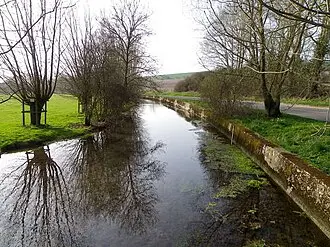
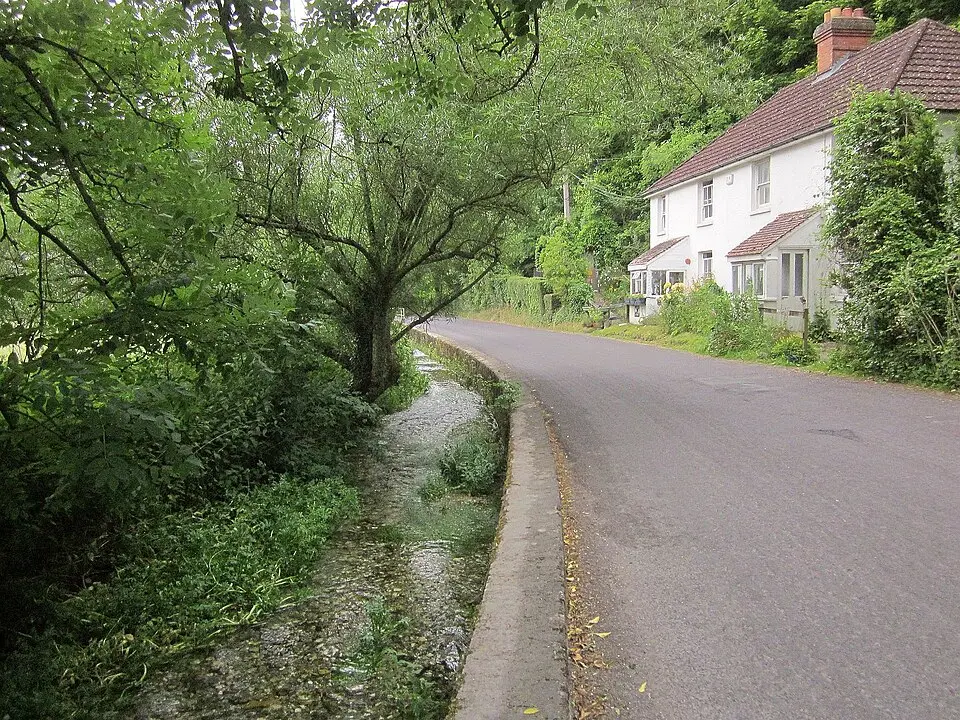


A history festival in the Chalke Valley
The current official name is Chalke History Festival. It combines talks with living history and other activities on a working-farm site at Broad Chalke, near Salisbury. The organiser has announced 21–27 June 2027 on its official website. This guide helps you turn an interest in the past into a practical visit, including reaching the rural site, choosing the right ticket and deciding whether to stay nearby.
A Chalke trip needs a different plan from a literature festival held in town-centre rooms. Your final journey is to a festival site, not simply to Salisbury railway station. Give that connection proper attention before choosing events or accommodation. Equally, leave room to move around the site and see more than the inside of one talk tent.
Quick answers
Main site: Chalke Festival site, Broad Chalke, SP5 5DP. Official location
In 2026, the full programme and day tickets were released on 22 April. Check the official site for this year’s date. Official source
- When: usually June; next festival: 21–27 June 2027.
- Where: Bury Lane, Broad Chalke, near Salisbury, Wiltshire, SP5 5DP.
- Tickets: use the official festival booking links and read what your admission includes.
- Rail gateway: Salisbury, followed by a separately planned onward journey.
- Stay: compare Broad Chalke and the valley, Salisbury, or Shaftesbury; the organiser also offers camping and glamping.
- What's on: see this year's highlights and the next festival's dates in What's on below.
Three-day and seven-day tickets, camping and glamping are available to book.
What’s on
What it was like in 2026
These events took place in 2026. Explore the conversations, books and ideas that shaped the festival.
Crowns and dynasties
The House of Boleyn
· Moot Tent, Broad Chalke
Borman explored the Boleyn family’s rise and fall, tracing dangerous ambition from Hever Castle to the court of Henry VIII.
2026 event detailsAt 3 festivals in 2026
Eleanor: A 200-Mile Walk in Search of England's Lost Queen
· Forum Tent, Broad Chalke
Loxton retraced Eleanor of Castile’s funeral journey from Lincoln to London, bringing the queen and her medieval world into focus.
Regina: A New History of Women and Power
· Moot Tent, Broad Chalke
Williams explored royal women’s power across centuries, from Cleopatra and Hatshepsut to Diana, looking beyond the myths surrounding their lives.
2026 event detailsAt 2 festivals in 2026
The Mirror of Great Britain: A Life of James VI & I
· Moot Tent, Broad Chalke
Jackson examined James VI and I through his writings and correspondence, exploring monarchy, religious conflict, plots and political upheaval.
Fashioning the Crown: A Story of Power, Conflict and Couture
· Moot Tent, Broad Chalke
Picardie explored how royal clothes projected authority during war, abdication and political upheaval, revealing couture’s role in diplomacy and defiance.
Ancient worlds reimagined
Mythica: A New History of Homer’s World, Through the Women Written Out of It
· Forum Tent, Broad Chalke
Hauser revisited Homer’s world through the women behind its legends, drawing on archaeology, ancient texts and DNA research.
Pericles: Statesman, Demagogue, Eccentric
· Moot Tent, Broad Chalke
Cartledge discussed Pericles with Tom Holland, examining the Athenian leader’s relationships, reputation and influence on democracy, empire and culture.
Boudicca's Daughter
· Forum Tent, Broad Chalke
Harper explored Roman Britain through Boudicca’s daughter Solina, following a story of survival and identity after the rebellion against Rome.
Conflict, resistance and crime
Advance Britannia: How the Second World War Was Won, 1942-1945
· Moot Tent, Broad Chalke
Allport explored Britain’s final wartime years through soldiers and civilians, moving between front lines, ration queues, air-raid shelters and political decisions.
Tunisgrad: Victory in Africa
· Guildhall Tent, Broad Chalke
David explored the Tunisian campaign through commanders and ordinary soldiers, showing how Allied land, air and sea forces learned to work together.
The Traitors Circle: The Rebels Against the Nazis and the Spy Who Betrayed Them
· Guildhall Tent, Broad Chalke
Freedland told the story of German anti-Nazi dissenters whose resistance and rescue work were threatened by a spy within their circle.
2026 event detailsAt 3 festivals in 2026
Story of a Murder: The Wives, The Mistress and Dr Crippen
· Moot Tent, Broad Chalke
Rubenhold revisited the Crippen case through its women, including Belle Elmore’s friends, whose alarm helped launch the transatlantic manhunt.
2026 event detailsAt 3 festivals in 2026
Journeys, landscapes and craft

The Traveller: The Revolutionary Life of George Forster and his Search for Humanity
· Moot Tent, Broad Chalke
Wulf followed George Forster from Cook’s second voyage to radical thinking about equality, freedom and humanity across cultures.
2026 event detailsAt 3 festivals in 2026
Into the Wild: The Making of an Explorer
· Forum Tent, Broad Chalke
Shepherd described an expedition through Guyana’s Kanuku Mountains with an Indigenous team, reflecting on danger, teamwork and the demands of exploration.
Craftland: A Journey Through Britain’s Lost Arts and Vanishing Trades
· Forum Tent, Broad Chalke
Fox discussed Britain’s disappearing craft skills with Amy Jeffs, exploring the communities and regional identities shaped by traditional trades.

Upheaval and its consequences

Rasputin and the Downfall of the Romanovs
· Guildhall Tent, Broad Chalke
Beevor examined Rasputin’s influence in the Romanovs’ final years, exploring how fear, belief and reputation weakened imperial authority.
2026 event detailsAt 5 festivals in 2026
Summer of Fire and Blood: The German Peasants' War
· Moot Tent, Broad Chalke
Roper joined Afua Hirsch to explore the German Peasants’ War, tracing the hopes behind the revolt and its brutal suppression.
The Black Death: A Global History
· Moot Tent, Broad Chalke
Asbridge traced the Black Death across continents, exploring how different societies and ordinary families faced the plague’s human consequences.

Explore the full official 2026 programme.
Authors who appeared
About the festival
Chalke brings history into several formats. The official site presents talks alongside living history, experiences and a separate schools programme. That variety is useful when planning for people who enjoy different ways of learning. Someone who wants a discussion can choose a talk, while a companion may be more interested in seeing history demonstrated. Check the published programme before deciding how much of the day to spend in each.
Do not approach the site as a sequence of lectures with no gaps. An outdoor programme gives you more choices, but those choices still need travel time within the site, a lunch interval and space to change direction. Pick a small number of priorities and leave the rest open. A day with one clear interest can be more satisfying than trying to cover every period of history.
For families, start with the organiser’s age and supervision information rather than assuming that every talk has the same audience. Read any experience or workshop conditions separately. The schools programme has its own booking arrangements and should not be confused with a public family visit. Keep everyone’s energy and attention in mind when deciding the length of your day.
When it runs
The next festival runs from 21 to 27 June 2027. Use the official home page for dates and the linked ticket page for the products currently available. The site distinguishes the previous line-up from the next festival; do the same when researching your visit. Check the current programme for the speakers you want to hear.
Choose between a single-day visit and a longer stay according to how you want to use the site. A first day can help you understand the layout and the mix of activities, while a longer trip gives you more freedom to pace talks and exploring. Before buying several days, consider transport for every return journey and how much time you want to spend outdoors.
If you arrange accommodation before the full programme is available, read the payment and cancellation terms carefully. Put the relevant deadline beside your festival booking. Camping, festival entry and any separately charged experience may involve different transactions, so keep each confirmation rather than assuming one document covers the whole stay.
The site and its venues
The official travel page places the festival on a working farm on the southern edge of Broad Chalke, with the address Bury Lane, Broad Chalke, near Salisbury, SP5 5DP. Use the current organiser’s site map for the location of tents, entrances and facilities. A general map pin can help you reach the site area, but it cannot confirm the final pedestrian entrance or an accessible route across temporary ground.
The organiser’s FAQ names the Guildhall and Moot talk tents in its explanation of seat reservations, alongside other talk spaces. These are festival spaces rather than independent town buildings. Follow the current map and the signage for the actual tent attached to a session you want to attend. Keep a little room between activities in different parts of the site.
Do not use a previous year’s map to promise a route or walking time. A farm-based festival can require a practical choice of footwear and an alternative plan when weather changes. Carry what you need comfortably rather than packing as though a room is immediately beside every activity. If you need a specific route or facility, ask the access team before arrival.
Visitor map
Approximate building and site locations, not accessible routes or individual entrances.
Tickets and the official box office
Go to the official box office through the festival website for current entry options. The organiser’s FAQ explains that admission products include talks, while dining and other experiences may cost extra. Read the product you are actually buying: a camping reservation, membership or experience booking should not be assumed to provide festival admission unless the terms explicitly say so.
The FAQ also describes seat reservations in particular tents for Chalke History Club members, with other areas available without those reservations. Compare the current membership benefits with your plans. Do not confuse a membership benefit with a general guarantee of a particular seat, and check how any reservation must be made before turning up for a popular session.
Keep an eye on the official conditions for refunds and changes before paying. Save the ticket and the booking reference offline and share the practical details with everyone travelling. If a product is unavailable, ask the organiser about its own arrangements rather than relying on an unofficial resale message.
Getting there
By train
The festival identifies Salisbury as the rail connection for reaching the site. Its travel page asks visitors to allow at least 45 minutes from Salisbury station to the festival. Treat that as the organiser’s planning allowance, not a published shuttle frequency or a guaranteed transfer. Arrange the onward part before selecting an arrival train that leaves no margin.
Check the rail operator’s journey planner for your specific date and the return connection. If you need assistance, arrange it through the operator and ask about the station facilities relevant to your route. Allow time for the separate final journey after the train, and avoid choosing a last return service that relies on leaving a busy festival site instantly.
By bus and other onward transport
The organiser’s travel page identifies the 29 between Salisbury and Shaftesbury, with a request stop by the church and an onward walk following festival signs. Check the bus operator’s current timetable for your date, especially for a Sunday visit or an evening return. Do not assume that a daytime service continues after your last planned activity.
If you prefer a taxi, arrange the outward and return journeys with the provider and explain the festival destination clearly. Confirm where collection is permitted and how you will contact the driver. A rural site connection is a part of your visit to book and understand, rather than something to leave until the end of a long day.
By car
Follow the organiser’s current approach instructions and festival signs. The travel page specifically advises following signs rather than relying only on satnav. Check the latest page before travelling for the traffic system and any route changes. Allow time to enter, park and reach the relevant activity without turning an arrival delay into a rushed start.
Read any parking instructions attached to your ticket and do not assume a nearby village road is a suitable alternative. If you need accessible parking or a drop-off arrangement, ask the organiser in advance. Keep the site address available offline so the people travelling with you have the same destination.
By bike
If cycling is part of your plan, confirm the current cycle-parking and arrival arrangements with the organiser before leaving. Plan the whole route, lighting and the journey home at the time you expect to travel. A rural road approach is a different proposition from a town-centre cycle rack, so do not choose it solely from a short map distance.
Where to stay
See all places to stay for Chalke History Festival
Broad Chalke and the valley
A base around the festival area can reduce the scale of the daily journey, but check the actual property address and route rather than relying on a village name. Ask about late arrival, parking and the practical trip back after an evening on site. Confirm any walking route before treating a nearby room as walkable festival accommodation.
Salisbury
Salisbury may suit visitors combining rail travel with a broader break. It still requires a journey to Broad Chalke for each festival day. Compare that connection, including the return, with the accommodation cost and your chosen programme. A room near a station can be useful for the main journey without solving the final rural transfer by itself.
Shaftesbury
Consider Shaftesbury as another base when your wider trip or transport arrangements make it practical. It appears in the festival’s site-location and bus information. Check the complete itinerary for the particular day, not just the existence of a bus route. If you plan to drive, include parking and the return after a full day when comparing accommodation.
The organiser’s camping and glamping page offers another way to stay close to the programme. Read its own booking conditions and check festival entry separately. no room availability or price is implied by the areas listed above.
Food and drink
The festival FAQ describes food stands, coffee and tea provision, a bar and separately booked dining. Check the current programme and provider information rather than making your whole day depend on a named trader from an earlier year. If you want a booked dining experience, read what is included and how it fits with festival admission.
Put a meal break into your day instead of grazing hurriedly between every talk. Ask providers directly about ingredients and preparation if dietary needs affect your choice. Carry a water bottle and check the organiser’s current rules about what you may bring. Keep rubbish contained and leave routes, tables and viewing areas comfortable for other visitors.
Accessibility
The official access page links to the organiser’s accessibility statement and asks visitors to contact the team with specific questions. It describes mobility-scooter hire through Event Mobility, which must be arranged directly in advance. Read the statement for the edition you are attending before relying on a feature described in an earlier document.
The organiser also describes a carer ticket process in its FAQ. Ask about the current eligibility and booking route rather than buying the wrong admission and hoping it can be changed on arrival. Think about the complete visit: parking or drop-off, the ground between tents, seating, toilets and the route back. Explain the practical support you need and keep the response with your ticket.
Plan your days
A one-day visit
Choose a historical theme or a couple of talks as your starting point, then leave time for the site’s living history and demonstrations. Use the programme to decide when you need to be in a talk tent and keep the rest flexible. Give yourself a proper food break and a final departure time that suits the onward transport you have arranged.
A weekend with Salisbury
A longer visit can pair a festival day with a separate day in Salisbury. For a history-focused outing, check the official visitor information for Salisbury Cathedral and Salisbury Museum. Book and check access with those venues independently. Do not squeeze a city visit into a gap that depends on a quick trip back to Broad Chalke.
First-timer tips
- Arrange the journey from Salisbury to the farm site before choosing your train.
- Read the ticket inclusions and keep admission separate from camping or dining.
- Use the current site map for tents and facilities.
- Bring layers, rain protection and footwear suited to outdoor ground.
- Leave time for living history as well as talks.
- Ask the access team about arrangements your day depends on.
- Confirm the return bus or taxi before committing to an evening.
- Keep tickets and the site address available offline.
History throughout the year
Chalke’s official website also lists its History Club, online talks and learning resources. These have their own booking and membership arrangements. They can help you explore a subject before a visit, but should not be confused with admission to the June festival or taken as a list of next year’s speakers.
First-timer questions
Is there food at the festival?
The festival FAQ describes food stands, coffee and tea, a bar and separately booked dining. Check what your ticket includes and book a dining experience separately where required. Visitor information.
Frequently asked questions
What is the festival’s current name?
The official website now uses Chalke History Festival. Some visitors may remember the Chalke Valley History Festival name, but the current organiser’s branding and booking pages are the right reference for a visit. Use the official website to buy admission and check the programme, while keeping the rural Broad Chalke location in your travel plans.
When is Chalke History Festival?
The next festival runs from 21 to 27 June 2027. Check its official website before making travel or accommodation bookings and use the current programme for individual activities. An earlier year’s line-up or daily timetable is not a promise about which speakers or experiences will be available on your chosen date.
Where is the festival held?
The organiser places the festival on a working farm on the southern edge of Broad Chalke, at Bury Lane, near Salisbury, Wiltshire, SP5 5DP. Use its current travel directions for the approach and its site map for tents and facilities. A festival trip needs an onward connection from Salisbury rather than ending at the railway station.
Are talks included in my ticket?
The organiser’s FAQ says festival admission includes talks, while dining and other experiences may be charged separately. Read the details of the product you are buying and any reservation arrangements attached to particular tents. Camping, glamping or membership should not be assumed to replace festival admission unless the current booking conditions explicitly confirm that.
Can I visit without a car?
Travel by train to Salisbury, then continue to Broad Chalke. Its travel page describes the 29 bus route and provides onward travel information. Check the operator’s timetable for your date and the end of your day. Arrange any taxi and return collection before travelling rather than assuming a connection on arrival.
What should I know about accessibility?
Read the official accessibility statement and contact the festival team about the practical arrangements you need across an outdoor farm site. The organiser describes advance mobility-scooter hire and a carer-ticket process. Confirm the current booking route, parking or drop-off arrangements and facilities relevant to you, then retain the reply with your admission documents.
Can you go to Chalke History Festival without a ticket?
Travel by train to Salisbury, then continue to Broad Chalke. Its travel page describes the 29 bus route and provides onward travel information. Check the operator’s timetable for your date and the end of your day. Arrange any taxi and return collection before travelling rather than assuming a connection on arrival.
How far ahead should I book a room for Chalke History Festival?
Begin comparing rooms when the announced dates fit your diary. If you reserve before choosing events, read the cancellation deadline, payment schedule and change conditions for that rate. Revisit the accommodation once the programme is settled, keeping the room, travel and event purchases as separate bookings. Compare the stay advice.
Official sources
Use Chalke History Festival for dates and bookings, its travel page for the rural approach, its FAQ for admission and site arrangements, its access page for support and its camping page for stays on site. Check Salisbury Cathedral and Salisbury Museum directly for separate visits.
Official source links
- www.chalkefestival.com
- www.chalkefestival.com
- www.chalkefestival.com
- www.chalkefestival.com
- www.chalkefestival.com
- www.salisburycathedral.org.uk
- salisburymuseum.org.uk
- www.nationalrail.co.uk
- www.chalkefestival.com
Sources checked 21 October 2026. Check the organiser and operators again before booking.