



Manchester Literature Festival makes a book-led city visit possible without asking everyone in a group to share the same reading tastes. A poetry evening, a fiction conversation and a discussion about music can become different reasons for travelling together. Begin with the session you would most like to hear, then compare its building with your railway arrival, room and final journey. The festival uses several venues, so one city-centre address does not describe every event. Give each ticket its own place in the plan and leave comfortable gaps between sessions. Exact dates for the next festival haven’t been announced yet. The event cards below are from 2026.
Quick answers
Venues across Manchester; check each event's venue.
In 2026, the autumn programme was announced on 11 August. Check the official site for this year’s date. Official source
- Where? Manchester, at the venues named on individual event pages.
- When? The main 2026 festival ran from 9 to 25 October. The organiser also presents a spring programme and creative-learning activity through the year.
- Next dates? Exact 2027 dates haven't been announced yet. Use the official website for the next programme.
- Tickets? Follow the festival event page to the correct box office. Most events use Quaytickets; some venue events are booked directly.
- By train? Choose the station for the actual venue. HOME's travel information identifies Oxford Road and Deansgate as nearby rail arrivals.
- Overnight? Compare the event entrance, room address and final return before choosing an area.
What’s on
The next programme belongs to the organiser. A writer appearing in the earlier highlights below is not an announcement for a future edition. Start with the official Manchester programme for current sessions, times and booking routes. If an event is not yet on sale, decide how much flexibility you need in travel and room bookings before committing to the trip. A reservation made for a wider city break may suit a different plan from one made solely for a named conversation.
What it was like in 2026
Three examples show different parts of the earlier programme. Eliza Chan and Sunyi Dean discussed ghost stories and their fiction at Waterstones Deansgate on 24 October. That evening, Dave Haslam joined John Simm, Stephen Morris and LoneLady at HOME for a conversation around Creative Journeys. Jackie Kay's poetry event followed at HOME on 25 October. These are past events; their official pages provide the earlier details and do not book a new appearance.
Authors who appeared
The earlier examples feature Eliza Chan, Sunyi Dean, Dave Haslam and Jackie Kay, alongside their listed conversation partners. Follow an individual event source for its subject. A novel conversation and a poetry performance can make quite different demands on a day, even when the same venue hosts them. Choose by the topic you want to hear as well as by the name you recognise. If reading beforehand would add to your enjoyment, begin with the book named on that event page.
Earlier 2026 conversations
Eliza Chan & Sunyi Dean: Hong Kong Ghost Stories
· Waterstones Deansgate
Eliza Chan and Sunyi Dean explored Hong Kong, folklore and family history through their novels Harbour of Hungry Ghosts and The Girl with a Thousand Faces, with host Susan Barker.
Dave Haslam with John Simm, Stephen Morris & LoneLady
· HOME (Theatre)
Dave Haslam discussed Creative Journeys with John Simm, Stephen Morris and LoneLady, considering the experiences and choices that shape a creative life across writing, music and performance.
An Evening with Jackie Kay
· HOME (Theatre)
Jackie Kay read from Selected Poems 1991–2026, bringing together work across her writing life and themes including family, community, love, loss and activism in the festival’s closing poetry event.
Lady Hale & Lara Feigel
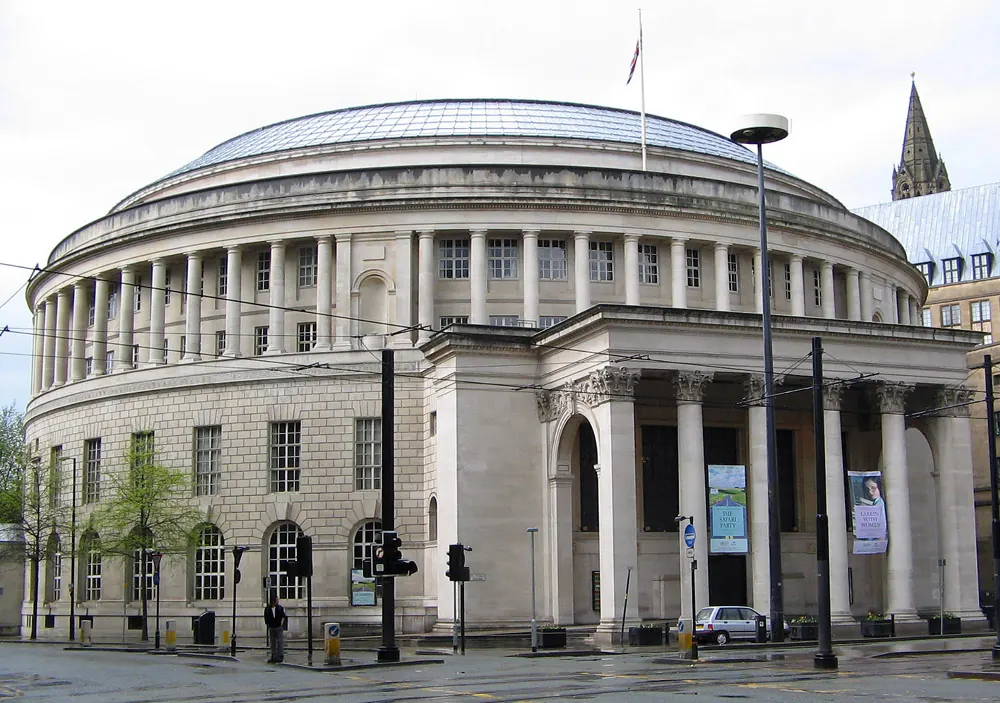
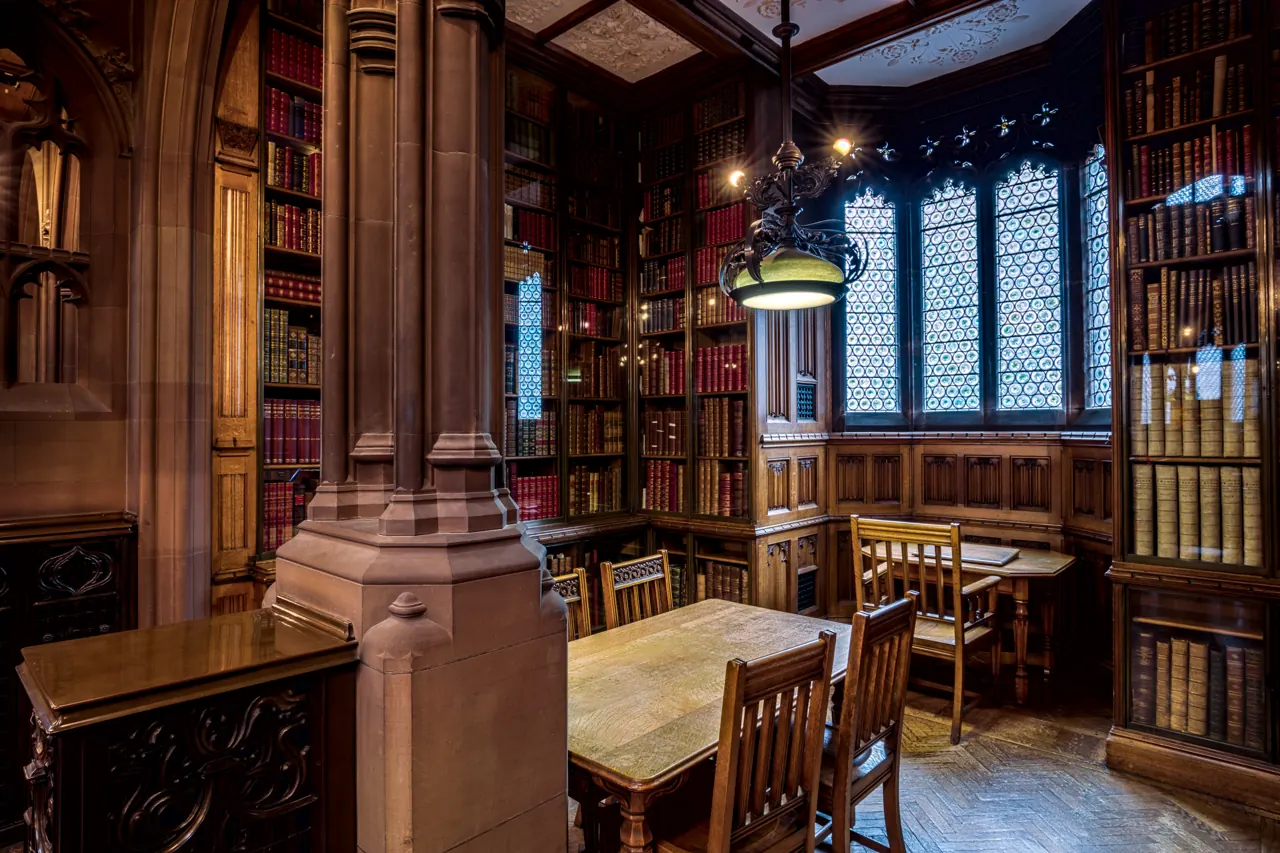
· Manchester Central Library
Lady Hale and Lara Feigel discussed the law’s effect on mothers and children with Ruth Lamont.
The Observer Book Club with Min Jin Lee
· Contact
Min Jin Lee spoke with Erica Wagner about American Hagwon and its family story across countries.
M. John Harrison
· Manchester Central Library
Helen Mort interviewed Harrison about the imagined near future of The End of Everything.
Willy Vlautin
· Manchester Central Library
Vlautin joined Naomi Frisby to discuss the painter and young neighbour in The Left and the Lucky.

Simon Armitage: Gilgamesh
· Manchester Central Library
Armitage presented his verse translation of the ancient Mesopotamian epic.
2026 event detailsAt 3 festivals in 2026
About the festival
Manchester Literature Festival presents writing and ideas through an annual festival, a spring programme and creative-learning work. Its own description includes ways for audiences to meet writing through language, place, politics and people. For the visitor, that breadth makes it sensible to choose a small personal programme rather than trying to represent every strand. An afternoon and an evening can be a complete trip. Another reader may prefer one session and time elsewhere in the city.
Think about the company you are travelling with. If one person wants fiction and another is drawn to poetry or culture, look for a shared meal or conversation around which you can arrange separate choices. Agree a meeting place before splitting up. Keep the tickets on more than one device if that helps the group, and decide who will carry any shared luggage. Good festival planning is often about making the intervals pleasant rather than filling them with another booking.
Manchester's festival homepage is also the place to distinguish its main October programme from later stand-alone events. A date beyond the main festival may be a genuine separate session, but it should not be considered an extension of every other event or admission. Read the individual details and choose the edition you intend to visit. If you follow an old social-media link, return to the organiser's event page before arranging travel.
When it runs
The main 2026 dates were 9–25 October. Those dates describe the completed edition. They do not set the next year's opening or closing day. The organiser also describes a spring programme; use its current calendar to see which activity is relevant to your visit. Until the next exact dates are announced, avoid building a trip around an assumed repetition of a weekday or weekend. Keep a room's cancellation deadline beside any provisional travel plans.
Once a new programme appears, compare the precise date and time of your essential session with the journey you can comfortably make. Add another event only after checking its venue and the gap between the two. If a group is travelling from different starting points, agree a latest arrival that leaves enough room for food and finding the correct entrance. There is no need for everyone to reach the city on the same service, but the first booking should fit the slowest essential connection.
Venues and finding the right entrance
The 2026 examples used HOME, at 2 Tony Wilson Place, Manchester, M15 4FN, and Waterstones Deansgate, at 91 Deansgate, Manchester, M3 2BW. Those addresses come from the official event pages. They are useful points for comparing an earlier layout, not promises that a later session will use the same building. Check the venue named on each new ticket and save the full address, including the room if one is supplied.
A theatre, a bookshop and another performance room may have different arrival, queue and access instructions. Do not assume that buying several festival tickets gives them one shared entrance or check-in process. Put a margin between rooms and give yourself extra time when the route is unfamiliar. If your arrival depends on a lift, an alternative entrance or a drop-off, ask about that route before deciding how tightly to schedule the day.
The festival links individual venues from event pages. Use those links to check the current building information and ask the venue about any essential feature. A broad description of a central location does not answer whether a room is upstairs, how a hearing system works or where a queue will form. If a building changes after booking, revisit both the travel and access plan. Keep any written answer with the booking reference so it is easy to find on arrival.
Tickets and the official box office
The festival's booking page explains that most sessions are sold through Quaytickets, while events at Contact, HOME and Z-arts can use the venue's own box office. Follow the link for the exact event instead of assuming all bookings go into one basket. Read the payment and change conditions before completing the order. If a ticket includes a book, check what edition is included and how collection works.
The same page describes reserved seating at Contact, HOME, RNCM and Lowry and advises people wishing to sit together to book in one transaction. Check the current arrangement for your session. An event with a different format may use another approach. If a companion or particular seat is essential, arrange it through the stated box office before buying ordinary seats and hoping they can be changed. Keep the access confirmation beside the event ticket.
Save the confirmation and check how you will present the ticket. Read any collection or account-download instructions before leaving home, particularly if several bookings use different providers. A missing email is a reason to use the box office's help route rather than immediately buying again. For a sold-out event, follow official availability updates. Do not make an expensive journey depend on finding a spare ticket at the door or on a promise from an unrelated seller.
Getting there
By train, tram and bus
Manchester Literature Festival recommends the Transport for Greater Manchester journey planner for train, tram and bus planning. Choose the actual venue address as the destination. A mainline arrival is the beginning of the final leg, not a guarantee that the first event is beside the station. Read the rail operator's current information for your date, including engineering work and assistance if needed.
For a HOME event, the venue's access and travel information identifies Deansgate and Oxford Road stations, Deansgate-Castlefield Metrolink stop and links to local journey planning. Those references are for HOME, not every festival venue. Check your route onward to Waterstones or another building separately. Avoid copying a remembered tram, bus or station choice into a new itinerary without looking at the current route.
Work backwards from the last session when choosing the return. Allow for leaving the venue, any activity listed after the conversation, collecting a bag and reaching the correct platform or stop. If your fare is tied to a particular service, give that transfer enough space for your own pace. A later session may turn a comfortable day trip into an overnight stay. Make that decision before buying the event, not while trying to leave the room early.
By car or bicycle
For HOME, the venue identifies Q-Park First Street and links to Manchester City Council information about disabled parking. Read the current operator conditions, including opening, maximum stay and payment, before depending on a space. A venue car-park reference is not a reservation. For another event, compare parking with that building rather than treating HOME's advice as a city-wide festival arrangement. Ask your accommodation separately whether parking is included and where it is.
If cycling, ask the venue where you may secure a bike and plan how you will carry books back. HOME describes cycle stands by its building; another venue may have different provision. Keep entrances and access routes clear. Include weather, lighting and your confidence on the route when planning an evening return. The shortest route on a map need not be the most comfortable one for your visit.
Where to stay
Compare three starting areas: First Street and the HOME area, Deansgate, and the Piccadilly station side of the city centre. These are planning choices rather than a claim that every property in an area is beside every venue. First Street puts the HOME address into the room comparison. Deansgate gives Waterstones' address a place in the same exercise. The Piccadilly side can make sense to investigate for the bookends of a railway trip, but you still need to check the onward journey to your events.
Ask about the exact room and rate. Entrance access, floor, bed layout, bathroom, luggage storage and late arrival can matter more than a broad central-city label. Include breakfast, parking and any transport you expect to use when comparing prices. A cheaper nightly rate is not necessarily a lower total cost for the trip you have planned. Keep the cancellation deadline with the programme so you can review both if an event changes.
The festival's visit page names The Edwardian Manchester and Maldron as hotel partners. Use the organiser's links for their own information, then compare the room and location directly. This does not guarantee availability, a festival rate or a particular access feature. If your plan depends on returning to the room between sessions, check the actual address and check-in time first. An attractive area name is not enough to settle that question.
First Street and the HOME area
Deansgate
Piccadilly station side of the city centre
Compare all stay areas for Manchester Literature Festival
Food and time between talks
Leave a meal break before adding another session. HOME's own website has food-and-drink information; check its current service and any reservation conditions directly. For another venue, ask what is available there or leave space for a separate meal. Do not assume you can bring food into an event room. If a dietary requirement is important to the visit, contact the provider about it before making the booking depend on a particular meal.
A gap can also be a chance to rest, browse or discuss the previous conversation. Decide whether you want to stay near the next venue or go farther afield. Any separate outing needs its own opening and admission checks and enough time to return. If your group is attending different events, a shared break may be the most valuable part of the schedule. Leave it long enough that a queue or slow exit does not make everyone watch the clock.
Accessibility
The organiser's booking information says its event venues have wheelchair access and directs visitors to individual venue details. It offers a Carer Goes Free booking route through the relevant box office and invites contact about BSL interpretation or other needs. Ask about the precise session, room and support you require before buying. A general festival statement does not reserve a wheelchair space or confirm that every event has the same hearing, caption or interpreting provision.
For HOME, use the venue's own access information and contact route alongside the festival event page. Keep the answer tied to the booking you are making. Think through the whole chain: railway or parking arrival, the entrance, seating, toilet, interval and return to your room. Hotel and transport assistance are separate questions for those providers. If moving between two sessions would be difficult, choose a larger gap before paying for both tickets.
Plan your days
For a first visit, choose one essential conversation and build a comfortable day around it. Arrive with time to find the venue, check in as instructed and have something to eat. Leave the next gap open until the actual event finishes and you know how you feel. A second contrasting session can add variety if the transfer and return journey fit. It need not be a full day of continuous listening to be worth travelling for.
For an overnight trip, put one event at the centre of each day and leave the remaining time flexible. Keep separate city outings independent of the festival tickets. On the final day, settle luggage storage and the route back to the station before adding a late conversation. If companions split up, agree a final meeting point and a latest departure. Choose a sequence that still feels workable if one queue takes longer than expected.
First-timer tips and Q&A
Save the venue addresses offline, check the box office for each event, leave room for meals, confirm essential access before buying and plan the return before choosing the final session. Read the description of a workshop or family event carefully because its format may differ from an interview. If a signing is listed, allow time for it instead of treating it as an extra that will automatically fit into a tight transfer. Follow staff instructions on the day.
FAQs
Is every event at one venue?
No. The festival's individual pages name the venue and link to its information. The earlier examples here used HOME and Waterstones Deansgate. Check your new booking rather than assuming it will repeat that location.
Which station should I use?
Choose for the event and service you book. HOME identifies Deansgate and Oxford Road in its own travel information, while the festival recommends TfGM's planner for city journeys. Include the onward and return legs for your actual venue.
Does an old event page book the next festival?
No. The 2026 examples describe completed events. Follow the organiser's current programme for new dates, sessions and tickets. Check the edition before making room or transport bookings.
Can you go to Manchester Literature Festival without a ticket?
Tickets are needed for events; check the official box office for the session you want.
How far ahead should I book a room for Manchester Literature Festival?
Begin comparing once the announced dates fit your diary. If reserving before choosing all sessions, read the cancellation deadline and review the room against the programme before that deadline passes. Recheck a venue change against the stay as well as the ticket. Compare the stay advice.
Keeping a shared city visit comfortable
If your visit is shared with someone who enjoys different books, choose one conversation together and leave space for separate sessions. Keep the booking details clear so neither person assumes the other has bought a ticket for an optional event. Agree a meeting point and a latest departure before the day begins. That small decision can be more helpful than trying to keep everyone on one continuous timetable. If the group includes someone who needs a particular entrance or seat, settle that arrangement before choosing the shared session.
For an overnight stay, give the final morning the same care as the arrival. Decide where your bag will be after checkout and how you will collect it before heading to the station. Keep any separate restaurant or attraction booking flexible enough to fit around the event you have chosen. A festival visit should leave you time to think and talk about what you heard. If a programme change makes the schedule too tight, reduce the number of sessions rather than making every break depend on a perfect transfer. Keep the organiser's contact route and the property address available offline, so solving a small problem does not require searching through several booking emails on the street.
Venue map
Festival venue map
- HOME: 2 Tony Wilson Place, Manchester, M15 4FN
- Waterstones Deansgate: 91 Deansgate, Manchester, M3 2BW
- Manchester Central Library: St Peter’s Square, Manchester M2 5PD
- Contact: Oxford Road, Manchester M15 6JA
Map data © OpenStreetMap contributors. Building locations; check the event entrance separately.