

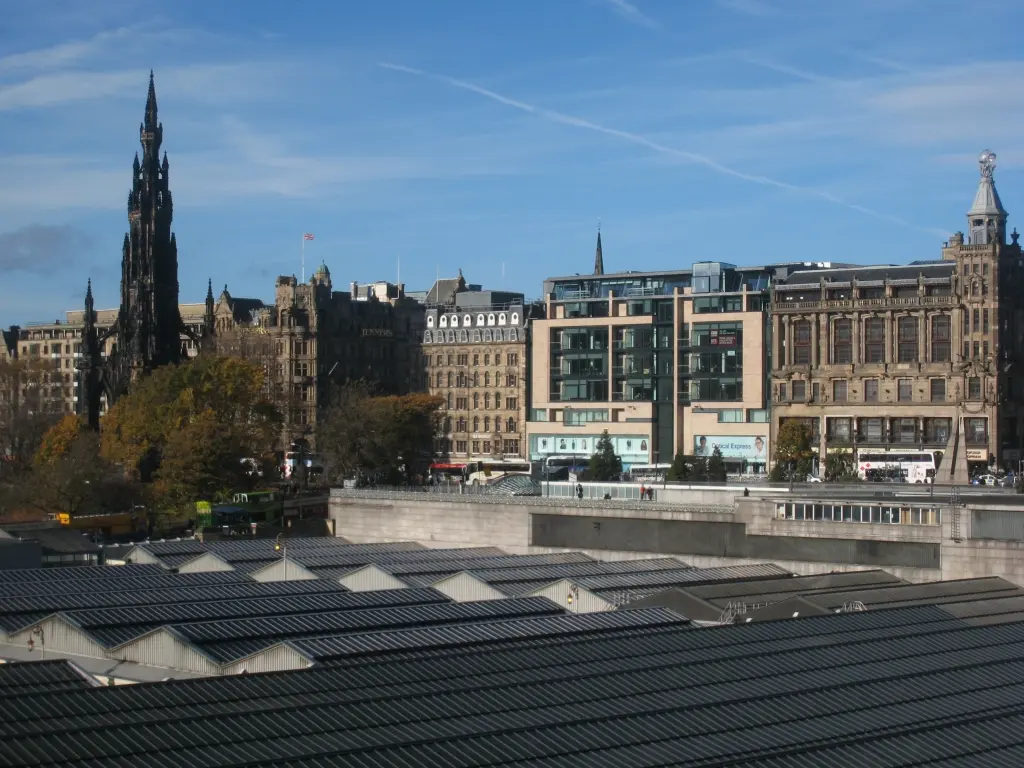
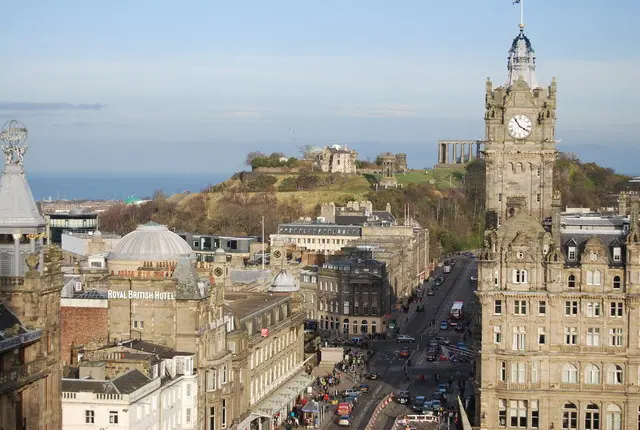


A bookish base on Lauriston Place
Edinburgh International Book Festival is a useful anchor for an August visit to the city: choose the conversations you want, then fit the rest of Edinburgh around them. The festival’s home is Edinburgh Futures Institute, rather than its former Charlotte Square site. Start with the current venue information even if you have attended in earlier years.
The festival usually takes place in August, with book conversations across Edinburgh. You can also explore its on-demand events between visits. Check the official festival website for the next programme before booking travel.
Quick answers
Venues across Edinburgh; check each event's venue.
In 2026, the full programme was available in June, with members booking before the public sale. Check the official site for this year’s date. Official source
- When: usually August; use the official site for the next festival dates.
- Where: the principal site is Edinburgh Futures Institute, 1 Lauriston Place.
- Tickets: book individual events with the official festival box office; site entry and event admission are different things.
- Station: Edinburgh Waverley is within walking distance.
- Book ahead: arrange essential events, accommodation and the evening journey as one plan.
- What's on: see this year's highlights and the next festival's dates in What's on below.
What’s on
What it was like in 2026
These events took place in 2026. Explore the conversations, books and ideas that shaped the festival.
Crime and suspense

Abir Mukherjee: The Pinnacle
· Courtyard Theatre
Abir Mukherjee discussed celebrity, privilege and satire through a murder accusation inside a luxurious Mumbai skyscraper.
2026 event detailsAt 4 festivals in 2026
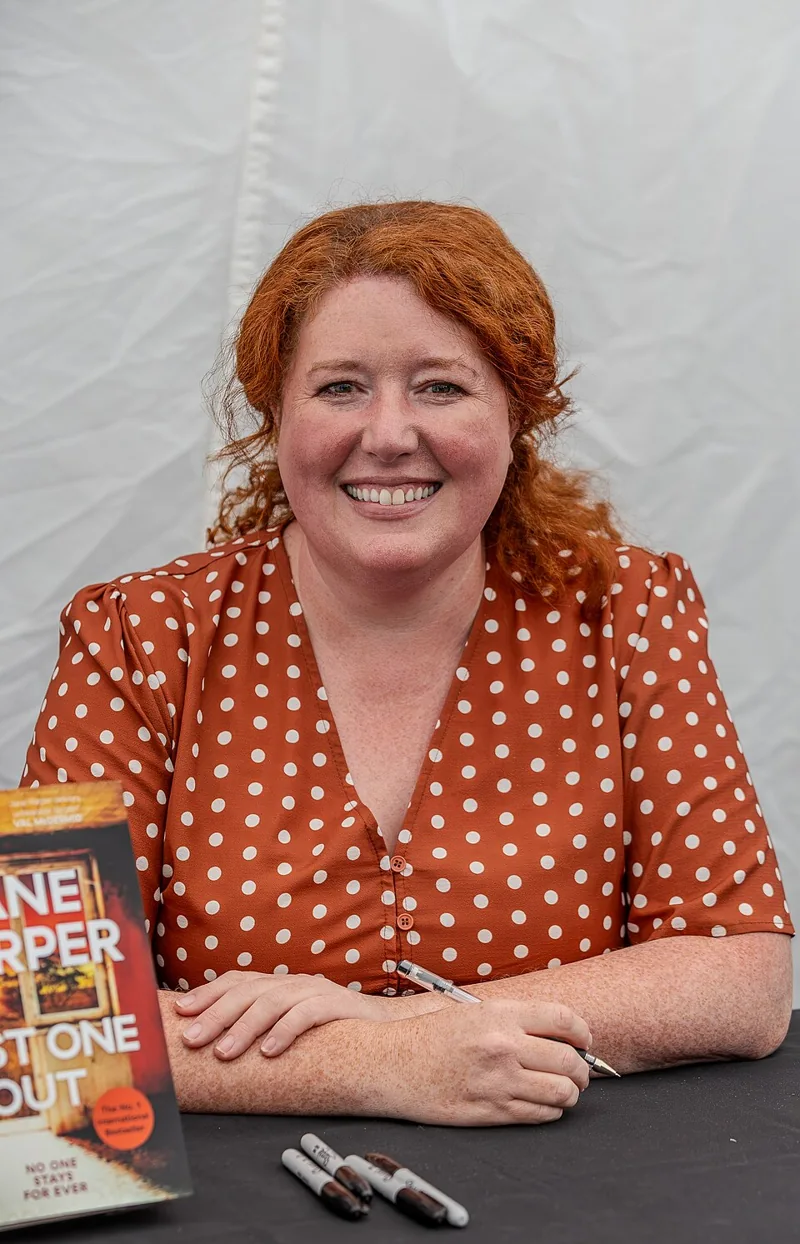
Jane Harper: Last One Out
· Courtyard Theatre
Jane Harper explored fractured families and communities through the claustrophobic small-town world of Last One Out.
2026 event detailsAt 5 festivals in 2026
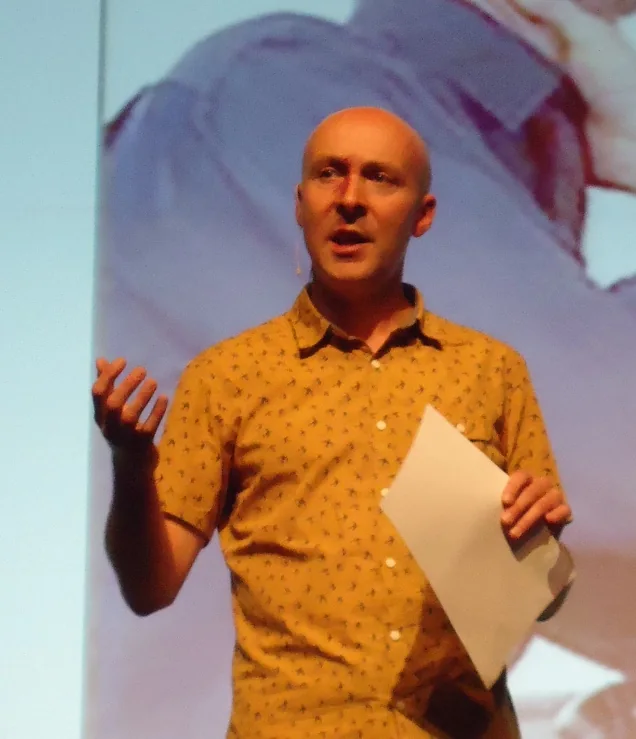
Chris Brookmyre: Quite Ugly One Evening
· Venue T
Chris Brookmyre returned to Jack Parlabane for a satirical conversation about a locked-cabin mystery aboard a television-themed cruise.
2026 event detailsAt 6 festivals in 2026


Fiction and the wider world

Maggie O’Farrell: Land
· Venue T
Maggie O’Farrell discussed colonisation, rebellion and family history through Land, a novel spanning generations in Ireland.
2026 event detailsAt 4 festivals in 2026
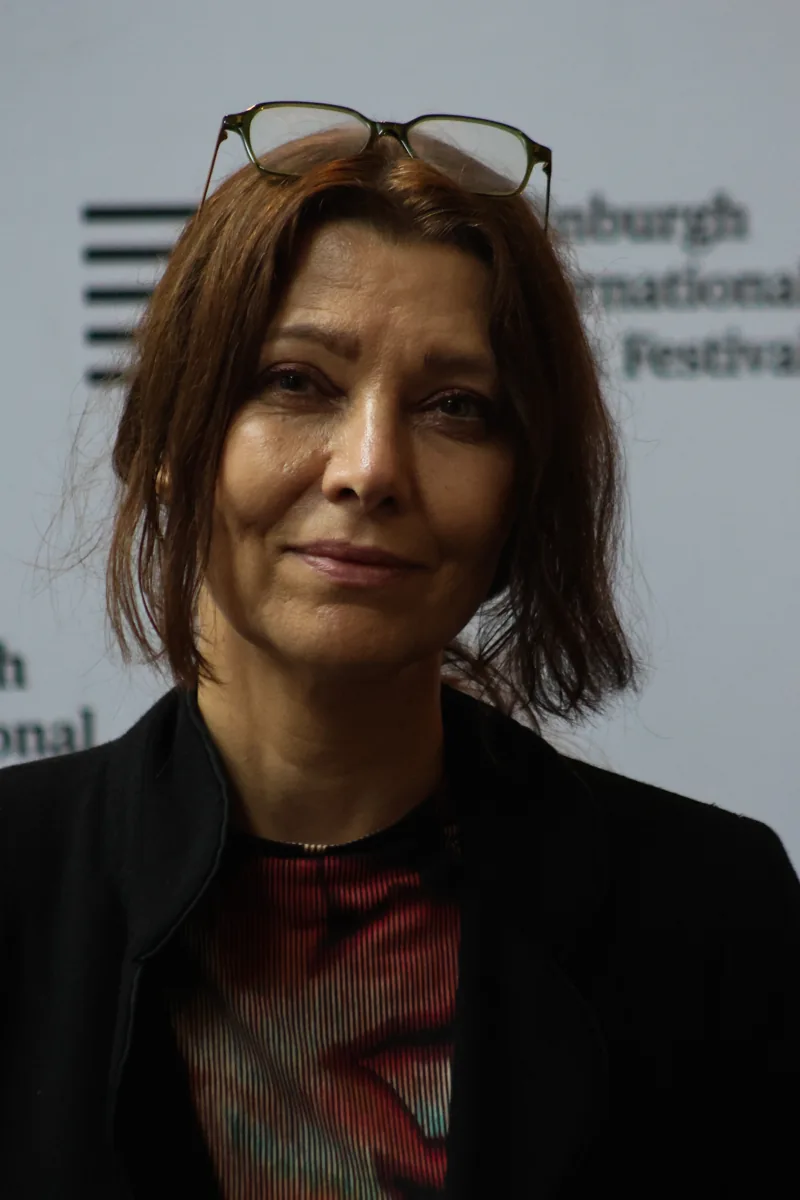
The Front List: Elif Shafak
· McEwan Hall
Elif Shafak reflected on her writing career, global citizenship and the practical expression of personal and political beliefs.
2026 event detailsAt 4 festivals in 2026
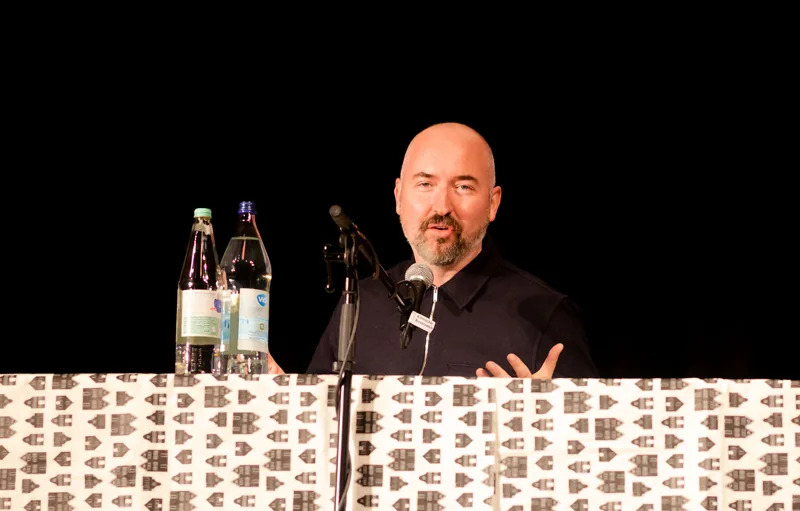
The Front List: Douglas Stuart
· McEwan Hall
Douglas Stuart explored family, religion and island community through John of John and its returning art-school graduate.
2026 event detailsAt 3 festivals in 2026


History and changing perspectives

Andrea Wulf: The Traveller
· Courtyard Theatre
Andrea Wulf followed naturalist George Forster’s voyages and the radical ideas about humanity, equality and freedom that grew from them.
2026 event detailsAt 3 festivals in 2026
The Front List: Tom Holland
· McEwan Hall
Tom Holland explored Rome’s first twelve emperors through his translation of Suetonius, discussing leadership, crises and imperial eccentricities.
2026 event detailsAt 2 festivals in 2026
The Front List: David Olusoga
· McEwan Hall
David Olusoga reflected on his career uncovering overlooked British histories and considered the historical work still ahead.
2026 event detailsAt 2 festivals in 2026

Poetry and translation
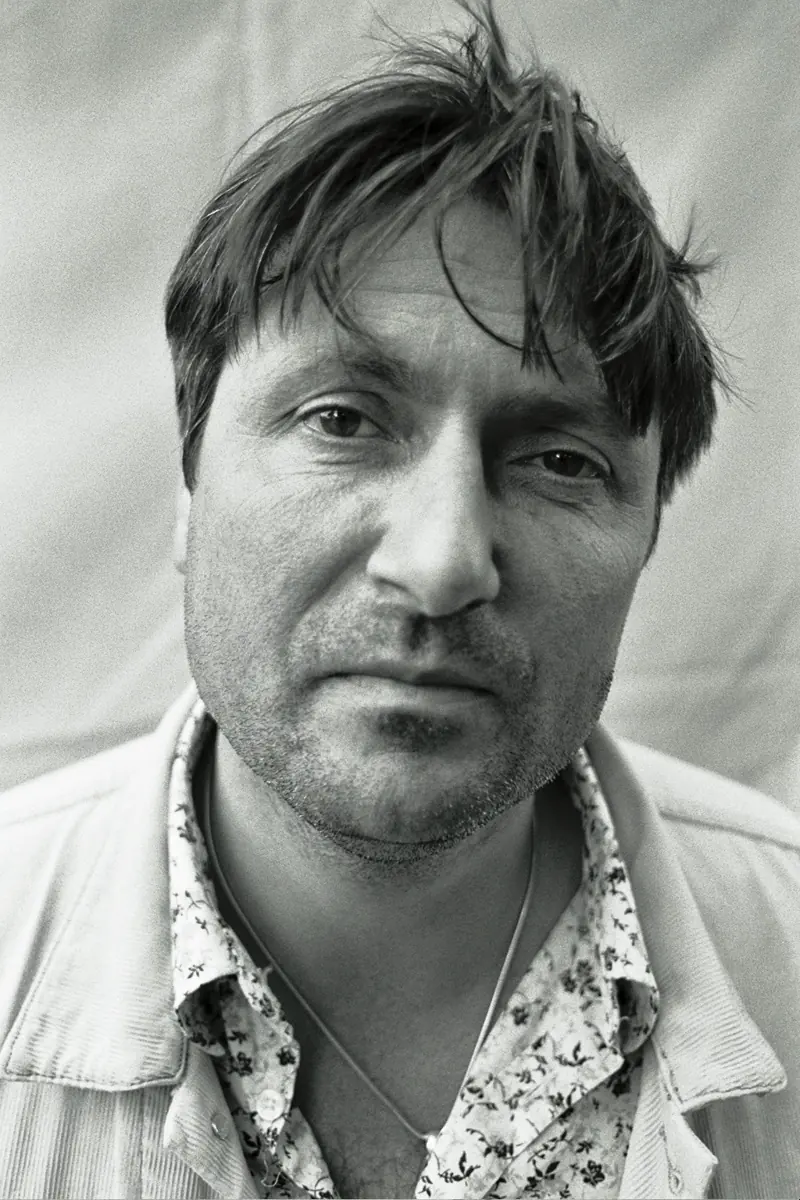
Simon Armitage, Hanan Issa & Peter Mackay: Poetry of the People
· Venue NW
Three national poets shared poems and considered national identity, poetry’s response to the world and its value in itself.
2026 event detailsAt 3 festivals in 2026
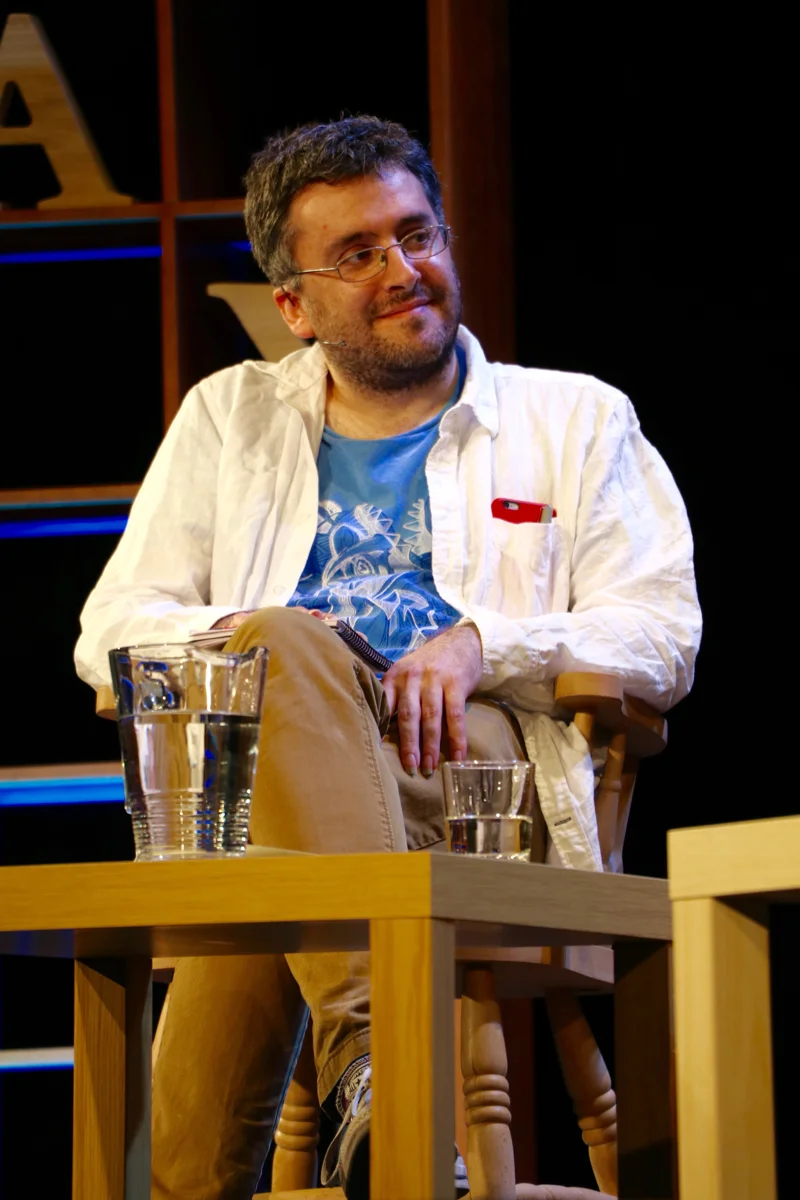
Polly Barton, Daniel Hahn & Anton Hur: In Other Words
· Courtyard Theatre
Polly Barton, Daniel Hahn and Anton Hur discussed translation as creative work and its human importance in an age of AI.
2026 event detailsAt 7 festivals in 2026
Translating Shakespeare: A Workshop with Daniel Hahn
· Venue A
Daniel Hahn’s workshop used Shakespeare in other languages to explore translation, language and fresh ways of reading the plays.
2026 event detailsAt 7 festivals in 2026

Lives and experience
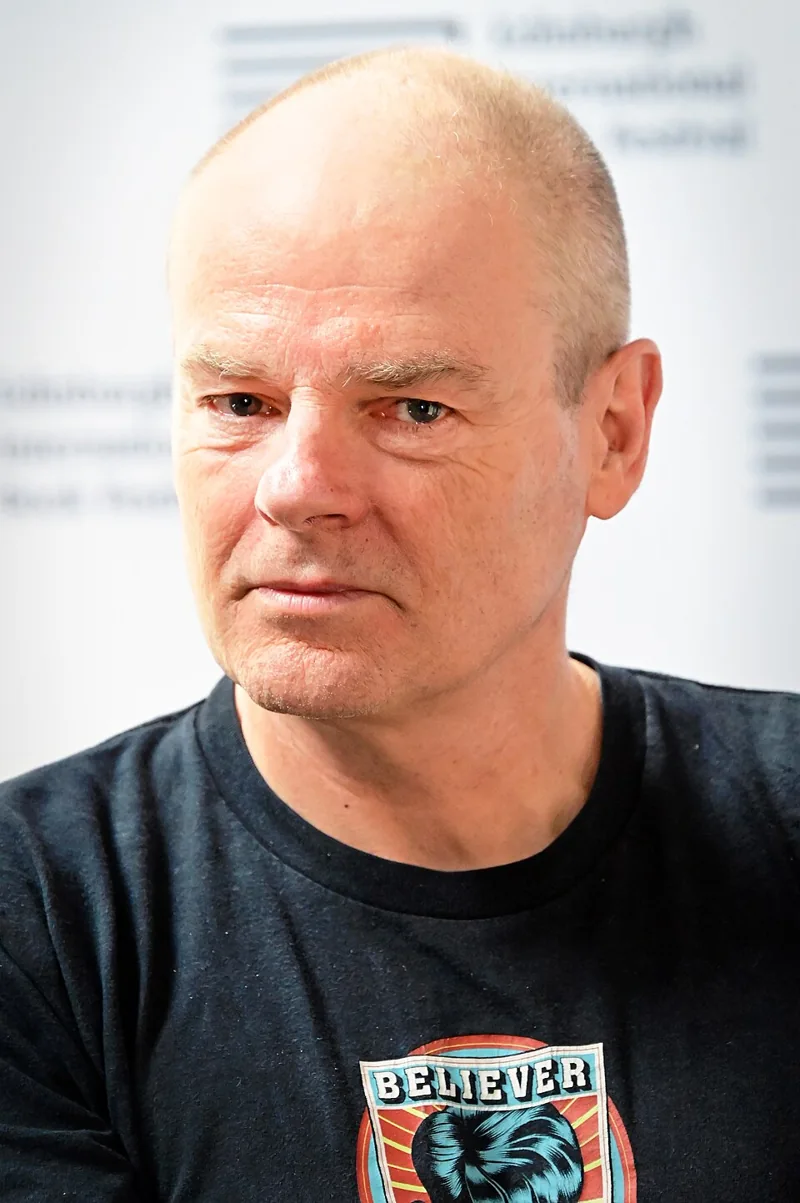
Mark Haddon: Leaving Home
· Courtyard Theatre
Mark Haddon discussed family, art and seeing the world differently through his illustrated memoir of growing up in the East Midlands.
2026 event detailsAt 2 festivals in 2026

Prue Leith: Being Old and Learning to Love It
· Venue T
Prue Leith challenged fears about ageing and discussed the pleasures, judgements and taboos surrounding getting older.
2026 event detailsAt 4 festivals in 2026
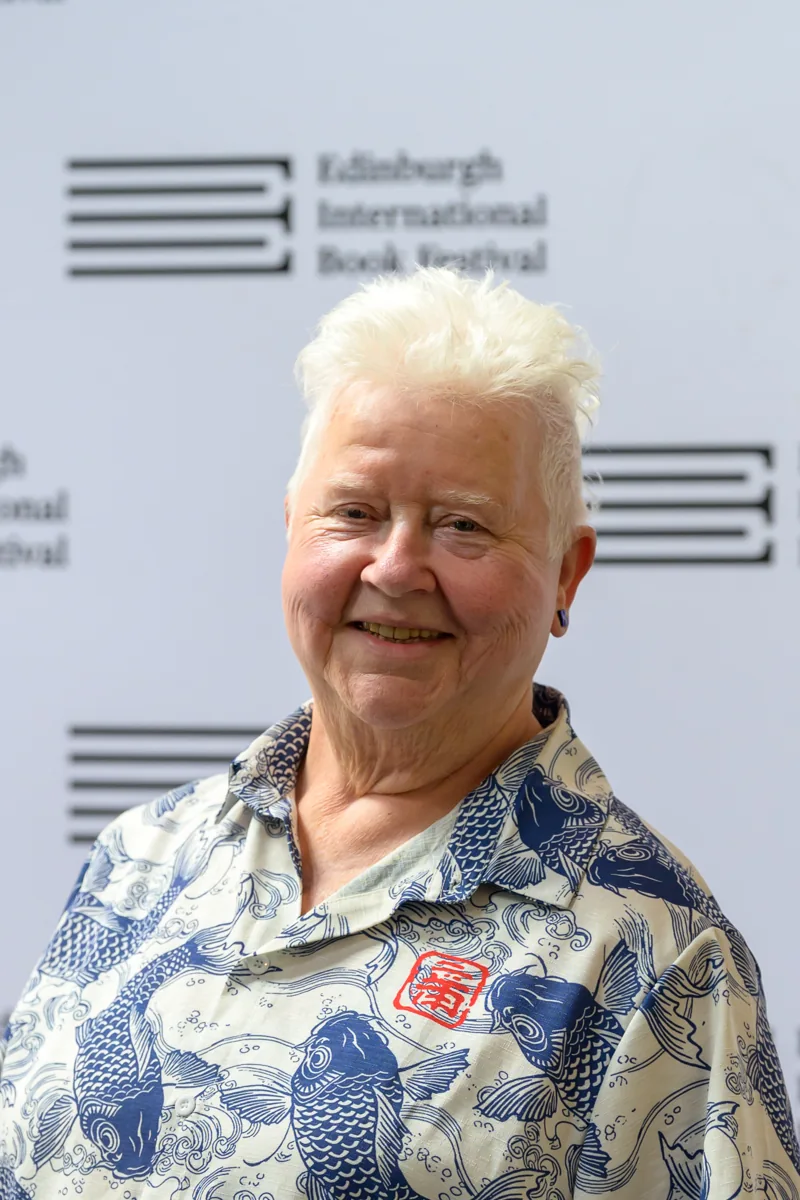
The Front List: Val McDermid & Jo Sharp
· McEwan Hall
Val McDermid and Jo Sharp discussed their fictional retelling of Scotland’s failed Darien colony and its far-reaching political consequences.
2026 event detailsAt 3 festivals in 2026


Children and families

Luna Loves the Festival with Joseph Coelho & Fiona Lumbers
· Venue NW
Joseph Coelho and Fiona Lumbers brought Luna’s adventures to an interactive session about connection, creativity and self-expression.
Age guidance: Age 3 to 5
2026 event detailsAt 5 festivals in 2026
Friends Vs Fiends with Rob Biddulph
· Venue NW
Rob Biddulph introduced The Last Wolf, exploring fear, family and friendship through a werewolf adventure with audience participation.
2026 event detailsAt 5 festivals in 2026

Dragons, Vikings, and Enemy Ships with Cressida Cowell
· Venue T
Cressida Cowell discussed Viking heroes and mysterious vessels through Hiccup’s latest How to Train Your Dragon School adventure.
2026 event detailsAt 3 festivals in 2026


More 2026 conversations
Bella Mackie: Claws Out
· Venue NW
Mackie discussed Claws Out and her dark comic fiction.
2026 event detailsAt 2 festivals in 2026
Almost 600 events across three programmes Explore the full official 2026 programme.
Authors who appeared
About the festival
The festival charity brings together writers, thinkers and audiences to discuss books and the world around them. Its work includes a programme for different ages and activity beyond the August gathering. For a first visit, the range means you can combine an author you already read with a conversation on a subject you would like to explore. About the festival.
Read the event format rather than choosing only by a familiar name. An interview, a creative workshop and a family session ask different things of an audience. You do not have to finish every book before coming, but a little attention to the description helps you avoid booking something that does not suit your interests or the people travelling with you.
Edinburgh offers plenty of other reasons to fill a day, so decide which parts belong to the book festival first. A single event can be the centre of a good visit. Several events work better when you leave time for food and the movement between venues, rather than assuming that everything happens in one room.
When it runs
The festival normally takes place in August. Use the current official announcements for the next dates, programme release and booking timetable. Do not treat the booking dates shown on a past edition’s help page as a repeating annual schedule. If you need a particular day off work, wait for the relevant event listing before committing to it.
Book accommodation with the level of flexibility your plans need. An August room reservation made before event selection may be useful, but record the cancellation deadline and return to it when the programme is available. Check whether a quoted rate covers the exact room, breakfast and payment conditions you want, rather than judging by a headline price.
Give the first and final days particular attention if you are travelling a long way. Arriving with a tight connection to an event can turn an enjoyable first conversation into a stressful journey. Equally, a late event followed by an early departure may not be the break you intended. Build the travel around the experience you want.
Venues and finding your way
The organiser’s venue page identifies Edinburgh Futures Institute at 1 Lauriston Place as the principal site, with venues on two levels with level access. Its listed spaces include Venue T, the Spiegeltent, Courtyard Theatre, Venue NW, Venues A, B and C, the Children’s Tent and the bookshop. Check the current site map for the entrance and room on your ticket. Official venue information.
The main festival approach described by the organiser is at Middle Meadow Walk and Porter’s Walk. This is more useful than heading to a general building address and assuming every door is the festival entrance. Before your first event, take time to identify the venue signs, toilets and a meeting place for your group. Getting here.
The current venue information also includes McEwan Hall and Elliott’s Studio. The organiser gives an approximate five-minute walk from Futures Institute to McEwan Hall and an eighteen-minute walk to Elliott’s Studio. Allow extra time for your own pace and busy streets. Do not place back-to-back bookings in separate buildings without checking the route.
Temporary spaces and edition-specific arrangements can change. Use the venue attached to the actual event and check its access information separately. A general map pin identifies a location, not the precise entrance or a step-free route. If you need assistance moving between venues, ask the festival before purchasing a timetable that depends on a tight transfer.
Visitor map
Approximate building and site locations, not accessible routes or individual entrances.
Tickets and the official box office
Use the official booking guide and box office. The organiser describes an account-based booking process, member advance booking and electronic event tickets. Check the current instructions before a sale opens and test your login first. A password problem is easier to resolve before you have selected the sessions you most want.
Some events offer Pay What You Can options; use the specific listing to see what is available. Read the current cancellation and return conditions before paying rather than assuming all unwanted tickets can be refunded. The festival’s site may be free to enter while an event still needs a ticket, so distinguish a relaxed visit to the bookshop or courtyard from admission to a talk.
The venue page describes unreserved seating, with McEwan Hall organised by ticket section and unreserved seating within that section. Arrive in time and follow the front-of-house instructions rather than saving empty places in a way that prevents other ticket holders finding seats. If you need a particular arrangement for access, organise it with the team rather than relying on arriving first.
Check whether signing information is attached to your session. Leave time for it if it matters to your visit, but do not make a train connection depend on a hoped-for quick meeting. Save the event tickets, not just the order confirmation, before leaving your accommodation and make sure each member of the group can reach the documents they need.
Getting there
By train
The festival identifies Edinburgh Waverley as within walking distance and warns that August streets are busy. Plan the route from the station to the correct entrance at Futures Institute, not simply to the centre of Edinburgh. Allow for luggage and unfamiliar streets.
Use your rail operator’s journey planner for the dates you need, including engineering information and the return journey. If travelling with accessibility requirements, check station assistance and the route beyond the station independently. The easiest train connection is not automatically the easiest complete arrival if it leaves a difficult last stage with bags.
By bus, tram or coach
The organiser directs visitors to Lothian Buses, Edinburgh Trams and Traveline Scotland for public transport planning. Use the current journey planner for your exact starting point and day, rather than treating a remembered bus number as permanent. For a coach arrival, check your booked stop and plan the onward leg to Lauriston Place separately.
Look up the evening return before buying late event tickets, especially if your accommodation is beyond the centre. Keep a note of the stop and direction you need, and check for service changes before setting out. A route that works well for the morning arrival may involve a different stop or connection in the evening.
By car
Check the council’s current parking information for your chosen place and the conditions attached to it. Do not assume festival admission includes parking at Futures Institute. Compare the full cost and the final approach with a public transport option, particularly if the car is mainly being used to reach central Edinburgh rather than as part of a wider tour.
If you need a passenger drop-off, ask the access team which arrival arrangement is appropriate. Confirm that before driving to a busy entrance and expecting to stop. Read the parking signs at your destination, including maximum stay and closure arrangements, and allow enough time to walk or travel from the car to the correct venue.
By bike
Cycle racks are on Middle Meadow Walk and in the Courtyard. Check where you are permitted to leave your bike, bring a suitable lock and keep access routes clear. Consider lights and weather protection for your return, and avoid taking so many books that the journey home becomes awkward. Visit information.
Where to stay
See all places to stay for Edinburgh International Book Festival
Lauriston, Tollcross and the Old Town
Begin with addresses around the festival side of the centre if your priority is reducing the journey to Futures Institute. Compare the exact approach and entrance, particularly if steps, slopes or luggage affect your plans. Ask a property about room access rather than assuming a central address makes every part of a stay straightforward.
New Town and the Waverley side of the centre
This is an area to compare if railway arrival and wider city plans are important to you. Work out the journey to Lauriston Place as well as the walk from your train. Check the return after your final event and whether breakfast or checkout arrangements fit the programme you expect to book. A short station transfer is only one part of the decision.
Haymarket and the west of the centre
Consider this area if a property and transport combination fits your budget and route. Check the complete trip to the festival and back rather than treating a station name as a guarantee of convenience. Include fares in the total, and ask directly about late arrival, accessible rooms or luggage storage where those would affect your stay.
Compare the exact room, total cost and cancellation terms with the provider before paying, and look early if your visit depends on particular facilities.
Eating, drinking and breaks
The festival’s visitor information describes an indoor café and courtyard food and drink. Use the next edition’s site information for what is actually available, rather than expecting a previous vendor to return. Keep a meal interval in the timetable. A festival day can involve more queuing and moving around than you expect from simply reading event start times.
If you choose a meal beyond the site, check the actual route and leave enough time to return to the correct venue. Ask food providers about dietary needs directly. A general description of a menu is not the same as confirmation about ingredients or preparation. Carry water and keep bags and cups clear of aisles and other visitors’ seating.
Accessibility
The festival publishes a detailed access page covering its Access Team, Quiet Space, Changing Places facility, mobility aids and hearing support. It identifies BSL-interpreted and captioned events and explains the arrangements for assistance tickets. Use these details as the starting point for a conversation about the events you want. Official access information.
An Access Booker ticket does not automatically arrange every seating or assistance requirement. Contact the box office as instructed about what you need and keep the response with your booking. Check the individual venue information when events take place beyond Futures Institute, and include the station, accommodation entrance and final journey in the same practical plan.
It is worth stating the task you need help with clearly: reaching the right entrance, hearing the event, finding appropriate seating or moving between buildings. Do not assume that an access feature described for one room also covers another. If a transfer would be uncomfortable or too tight, choose a different sequence of events before committing to tickets.
Plan your days
One day
Anchor the day around one essential event. Arrive with time to find Futures Institute, leave a meal gap and choose a second session only after checking its venue. For a separate indoor outing, the National Museum of Scotland on Chambers Street has its own visitor information and gallery programme. Check that independently before fitting it around festival events. Museum visitor information.
A weekend
Give one day mainly to books and leave part of the other for the city. Do not fill both days entirely before considering the journeys and breaks. You might reserve a longer museum visit for the day with fewer tickets, or simply keep time for reading and a meal. Choose the balance of events and free time that suits your visit.
If you add another Edinburgh festival, check its own booking terms and venue. The book festival ticket does not cover a separate organisation’s event. Leave enough time to get between places and be willing to choose fewer bookings. A city break is more enjoyable when the schedule leaves you room to respond to how the day actually feels.
First-timer tips
- Use the current Lauriston Place information, not an old Charlotte Square route.
- Check the room or separate venue on every ticket.
- Give August street journeys a generous margin.
- Test your festival account login before booking opens.
- Arrange access seating or an assistance ticket directly as instructed.
- Save the tickets for offline use and charge your phone.
- Leave time for food and browsing rather than filling every gap.
- Check the final public transport connection before booking a late session.
More from the organiser
The festival’s work continues through community activity and online events as well as the August gathering. Use the official website to explore these independently. Online availability and access conditions belong to the individual event listing; do not assume that every in-person session will be streamed or remain available afterwards.
First-timer questions
Can I visit with children?
The organiser provides family and children’s programming. Choose sessions using the age and admission guidance attached to each listing, including any accompanying-adult requirement. Keep the day manageable with meal and toilet breaks, and check what ticket is needed for every member of the group rather than assuming one family booking covers everything.
FAQs
When is Edinburgh International Book Festival?
It usually takes place in August. Use the organiser’s official announcements for the next dates and individual programme rather than relying on a previous edition’s timetable. Choose the day around the events you want, then arrange accommodation and transport with suitable flexibility if you are booking before all the details are published.
Where does it take place?
The principal site is Edinburgh Futures Institute at 1 Lauriston Place, with a festival approach described at Middle Meadow Walk and Porter’s Walk. The currently listed programme venues also include separate buildings. Read your ticket’s actual venue and consult the current site map, particularly if you remember the festival from Charlotte Square.
Which station should I use?
Edinburgh Waverley is within walking distance. Check the route to your specific venue and allow for luggage and busy August streets. Use your rail operator’s current journey planner for the exact travel dates, and arrange passenger assistance separately if needed.
How do I buy tickets?
Use the official festival website and its booking instructions. The organiser describes account-based booking, member advance booking and electronic tickets, with conditions that should be checked for the relevant edition. Read the event listing before paying, and save the admission ticket as well as the order confirmation before you travel.
How do access and assistance tickets work?
Read the access and booking pages, then contact the box office about your specific seating or support needs. A concession or Access Booker ticket does not automatically arrange an assistance ticket or a particular place in a venue. Confirm the practical details before travelling and keep the reply with your ticket documents.
Can you go to Edinburgh International Book Festival without a ticket?
Tickets are needed for events; check the official box office for the session you want.
How far ahead should I book a room for Edinburgh International Book Festival?
Begin comparing rooms when the announced dates fit your diary. If you reserve before choosing events, read the cancellation deadline, payment schedule and change conditions for that rate. Revisit the accommodation once the programme is settled, keeping the room, travel and event purchases as separate bookings. Compare the stay advice.
Official sources
The festival’s homepage, getting-here, venues, booking, visitor and access pages provide the festival facts above. National Museums Scotland supplies the separate museum information. Check each provider’s live information before booking because programme details and visitor arrangements can change.
Official source links
- www.edbookfest.co.uk
- www.edbookfest.co.uk
- www.edbookfest.co.uk
- www.edbookfest.co.uk
- www.edbookfest.co.uk
- www.edbookfest.co.uk
- www.nms.ac.uk
Sources checked 21 October 2026. Check the organiser and operators again before booking.